
- calendar_today August 14, 2025
Idaho’s real estate market in 2025 is continuing to gain national attention, especially among investors looking for affordability, growth, and long-term potential. While interest rates have stabilized, cautious optimism still defines much of the market. Following a population boom over the past decade, buyers and developers are honing in on income-generating properties aligned with the state’s demographic trends and economic fundamentals.
What property types are drawing interest in the Gem State? From fast-growing suburbs of Boise to regional cities like Twin Falls and Idaho Falls, seven key real estate categories are standing out. These sectors aren’t just performing—they’re adapting to Idaho’s rapidly shifting housing needs.
Multifamily Housing: The Reliable Performer
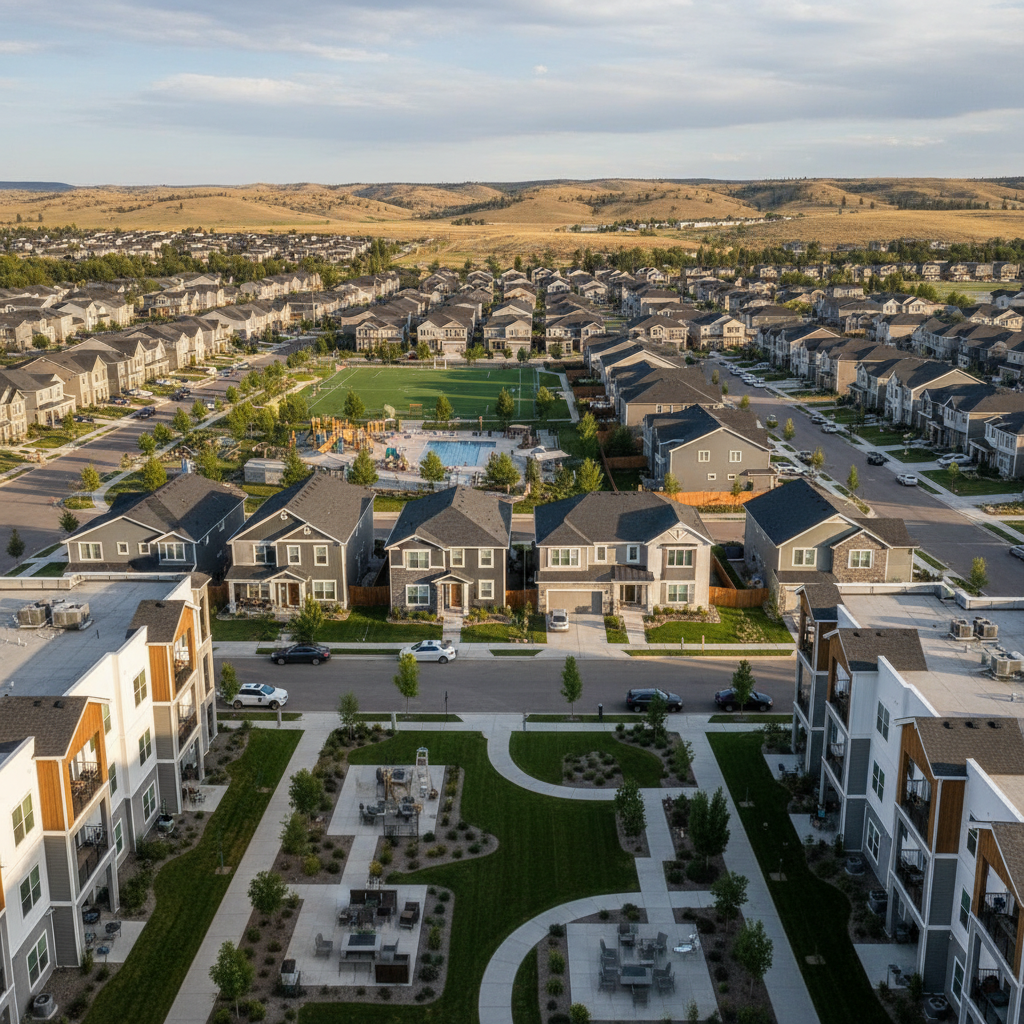
With Idaho’s population growth still trending upward—especially in Ada and Canyon counties—multifamily housing remains a reliable performer. Renters priced out of the ownership market are remaining in apartments longer, driving demand for Class B and C rentals in cities like Boise, Meridian, and Nampa.
Vacancy rates have remained tight, hovering around 4–5% across much of the Treasure Valley. Developers are increasingly focusing on mid-rise apartments and build-to-rent townhomes in growing suburbs. For investors, this means consistent rental income and steady appreciation, with annual rent growth in the 3% range still achievable.
Industrial Properties: Still a Growth Engine
Idaho’s industrial real estate market is gaining ground, fueled by population growth and regional distribution needs. Areas around Boise, Caldwell, and Jerome are attracting new warehouses, cold storage facilities, and light manufacturing spaces.
JLL’s 2025 regional report notes that industrial rents in parts of southwestern Idaho have increased by over 6% year-over-year, while vacancy remains under 5%. With the rise of e-commerce, food logistics, and Idaho’s push toward clean-tech manufacturing, industrial properties are attracting both regional developers and institutional capital.
Single-Family Rentals in Suburban Markets
As home prices remain elevated in Boise and Coeur d’Alene, many Idahoans are opting to rent single-family homes rather than buy. This trend is especially strong in suburban communities like Kuna, Post Falls, and Idaho Falls, where families seek space, affordability, and quality schools.
Roofstock’s 2025 Investor Sentiment Index shows growing confidence in SFRs in Idaho, citing strong tenant retention and rising lease rates. These properties tend to offer fewer headaches than large apartment buildings and appeal to middle-income tenants seeking a stable, long-term rental home.
Migration Patterns: From Urban to Regional Growth
While Boise remains the state’s urban anchor, much of Idaho’s real estate opportunity in 2025 lies in smaller cities and fast-growing towns. Places like Twin Falls, Rexburg, and Pocatello are benefitting from migration out of high-cost states like California and Washington. Lower taxes, business-friendly policies, and access to outdoor amenities are drawing new residents and businesses alike.
Developers are targeting these growing markets with a mix of residential, retail, and industrial projects. Infrastructure investments, including broadband expansion and highway upgrades, are making these areas more attractive to remote workers and young families.
Mixed-Use Developments & Downtown Revival
Urban renewal is underway in several Idaho cities. Boise’s downtown has seen a resurgence of mixed-use developments blending housing, coworking, and retail. In smaller cities like Idaho Falls and Lewiston, developers are transforming historic buildings and underutilized parcels into vibrant live-work-play environments.
While zoning challenges and rising construction costs remain hurdles, mixed-use projects are tapping into strong demand from young professionals and small business owners. These neighborhoods offer walkability, convenience, and a sense of community that modern tenants increasingly seek.
Niche Assets on the Rise: Senior & Student Housing
Two specialty sectors—senior housing and student housing—are quietly gaining traction in Idaho. The aging population in cities like Pocatello, Sandpoint, and Twin Falls is boosting demand for independent and assisted living communities. Occupancy levels for senior housing across southern Idaho are approaching 86%, according to NIC MAP Vision.
Meanwhile, student housing near Idaho State University and the University of Idaho is showing healthy pre-leasing rates. Modern amenities, strong Wi-Fi, and communal areas are essential features, as students seek comfort and connectivity in their living environments. Developers who meet these needs are securing steady demand year-round.
Risk Factors and Investment Cautions
Despite strong fundamentals, Idaho investors must stay alert to emerging risks. Wildfire concerns in rural areas, especially near forest-adjacent communities, are pushing insurance premiums higher. Construction delays and material costs—though easing—can still challenge project timelines.
Regulation is lighter in Idaho than in many coastal states, but local governments are beginning to examine zoning updates and short-term rental limits in response to housing pressure. Cities like Boise are already enacting growth management policies that could impact future developments.
Although interest rates are no longer spiking, financing conditions remain tighter than they were pre-2022. Prudent underwriting and conservative cash flow modeling are essential for long-term success.
Expert Insight: What the Analysts Say
“Idaho’s appeal lies in its growth and relative affordability,” says Lauren Bellingham, a senior economist with CBRE. “But winning in this market requires local knowledge and an eye on infrastructure and migration trends.”
Redfin’s 2025 Housing Trends report echoes this view, highlighting the importance of regional population movement, cost-of-living dynamics, and new job corridors. For Idaho investors, data-driven strategy and location-specific insights are critical.
Strategic Diversification is Key in 2025
In Idaho, the best-performing investment strategies in 2025 involve strategic diversification across property types and regions. Multifamily remains a solid anchor, especially in fast-growing counties. Industrial properties near transport corridors are thriving thanks to logistics and agri-business expansion. Single-family rentals continue to attract stable tenants in suburban neighborhoods.
Mixed-use developments are adding vibrancy to urban centers, while senior and student housing tap into long-term demographic demand. As growth spreads beyond Boise, savvy investors are broadening their focus to include emerging secondary markets.
For those who combine regional awareness with patient capital and flexible strategy, Idaho offers an investment landscape full of long-term opportunity in 2025 and beyond.


