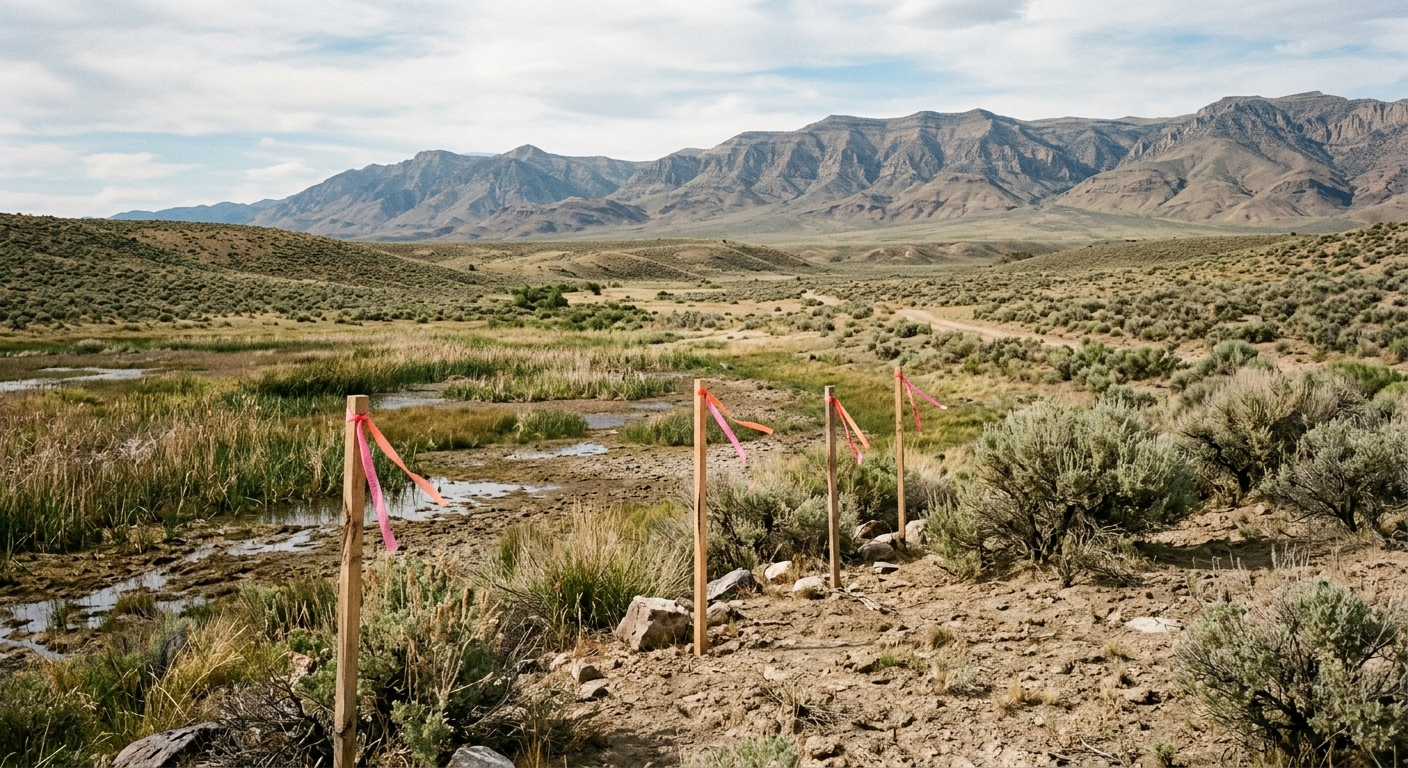
AI-generated illustration; not a photograph of the reported event.
- calendar_today June 6, 2026
The proposed Stratos Project data center, which had initially sparked controversy in Box Elder County, is now undergoing major revisions following widespread public backlash. The large-scale technology development, located just south of the Idaho border, has become a focal point for community debate over environmental concerns, land use, and project transparency. The changes come after the direct intervention of Utah Senate President J. Stuart Adams and intense criticism from regional stakeholders.
Significant Reductions Announced After Public Response
Kevin O’Leary, the public face of the Stratos Project data center, announced that the plans for the site would see a 75% reduction in developed land and a near-halving of the total acreage. These revisions address urgent calls from the local population, who were alarmed by the project’s original scope and potential impact on Box Elder County and neighboring Idaho communities. The move is being recognized as a rare concession in the development space, reflecting the powerful influence of public backlash and the importance of local voices in determining land use.
Environmental Concerns and Project Transparency Take Center Stage
Environmental concerns emerged early and forcefully, with residents and advocacy groups raising alarms about proximity to sensitive habitats such as the Springs Waterfowl Management Area. O’Leary acknowledged that these issues were not adequately addressed in the project’s initial outreach. This has led to a renewed commitment to project transparency, with O’Leary promising open dialogue regarding environmental protections and regulatory compliance.
Leadership Admits Lapses, Commits to Accountability
Amid the mounting criticism, O’Leary accepted full responsibility for communication missteps and pledged to reshape the engagement strategy to prioritize openness. He emphasized that the Stratos Project data center will consider local community impact at every stage, vowing that residents will be treated as stakeholders and partners. The decision follows formal demands from state leadership and signals a shift toward a more collaborative approach with regional and Idaho residents moving forward.
Activist Groups Push for Further Scrutiny
Opposition has not faded with the project’s concessions. The Box Elder Accountability Referendum (BEAR), a local advocacy group, maintains strong skepticism about the suitability of the data center near Box Elder County. BEAR cites ongoing environmental and infrastructural vulnerabilities, reiterating the need for greater accountability and questioning whether economic benefits can equitably balance the risks associated with rapid land development reduction. Their continued efforts signal that local community impact remains a top priority in the conversation around the project.
Federal Government Tenant and National Security Implications
Adding a layer of complexity to local discourse, O’Leary revealed that a federal government tenant may be involved in anchoring the Stratos Project data center. While specifics are yet to be disclosed, the project’s connection to national security has escalated the stakes and drawn the attention of both state and federal agencies. For Idaho’s communities, this underscores the region’s growing significance in technology infrastructure discussions and highlights the challenges and opportunities that accompany such projects.
Lessons in Engagement for Large-Scale Developments
The Stratos Project data center’s course correction offers a key lesson in the importance of early community engagement. By responding transparently to public backlash and adapting designs to reflect local priorities, project leaders aim to strike a balance between innovation and environmental stewardship. For Idaho and Box Elder County, the ongoing debate represents a pivotal moment for how ambitious developments intertwine with the values and interests of the area’s residents, setting a precedent for future projects across the region.