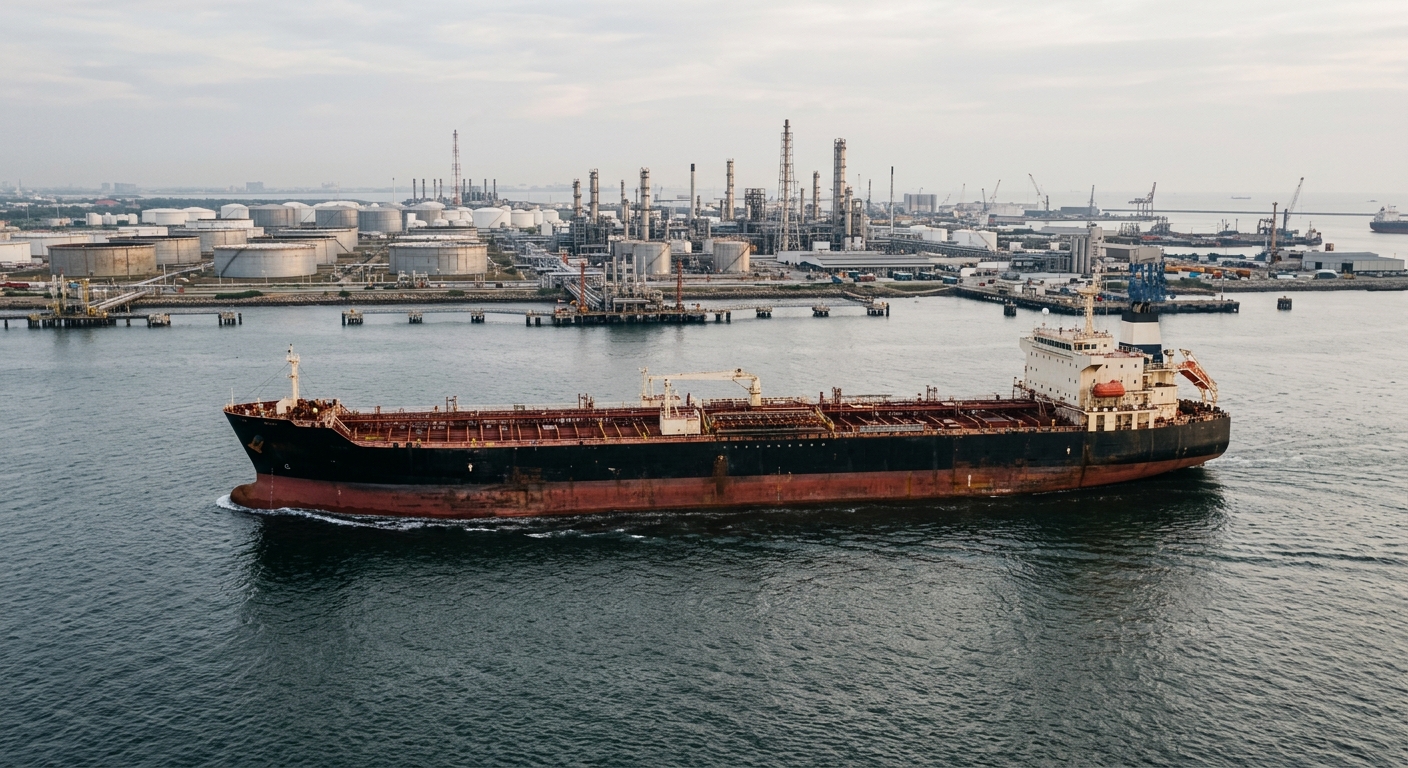
AI-generated illustration; not a photograph of the reported event.
- calendar_today June 15, 2026
Oil prices experienced their steepest drop in months across Idaho and globally, as an agreement between the United States and Iran to end the blockade of Iranian ports moved markets and raised hopes for improvement throughout the region. In response to the tentative accord—expected to reopen the strategically critical Strait of Hormuz—both brent crude and US crude prices fell sharply, reflecting a rapid shift in energy market sentiment.
Major Decline in Brent Crude and US Crude Prices
Brent crude, the international oil benchmark, fell to $82.91 per barrel, while US crude settled at $80.21. Both saw declines of approximately $10 per barrel over the last week, the most significant drop in over three months. Despite these drops, oil prices still remain higher than they were prior to a recent escalation in US-Israeli military actions targeting Iran. Industry observers point to the removal of the blockade and the gradual reopening of the Strait of Hormuz as key factors influencing this volatility.
Reopening the Strait of Hormuz: Regional Significance
The strait is critical for global energy markets, serving as a vital passage for a substantial portion of the world’s oil supply. Idaho’s communities, like other regions dependent on fuel distribution, are watching the situation closely. The Iran US deal to allow safe navigation through the strait is expected to have profound impacts not only on international supply but also on local gasoline prices. However, logistical and technical hurdles remain before full oil production and export capacities can be realized.
Market Sentiment Remains Cautious Amid Challenges
Experts caution that while market optimism has increased following the framework of the Iran US deal, several substantial challenges must still be addressed. De-mining the strategically sensitive Strait of Hormuz, restoring damaged oil production infrastructure, and replenishing emergency stockpiles are all mammoth undertakings. Repairing facilities and ensuring safe transit routes will take time, and the full normalization of oil supply flows may take months.
Oil Demand and Supply: The Road to Recovery
Analysts predict that oil demand will continue to climb during the summer months, particularly in Idaho and throughout North America, as travel and industry pick up seasonally. Oil supply, however, will lag due to the time required to reestablish operations in the Middle East. The prospect of an eventual oil price rebound looms as inventories tighten and demand outpaces temporary production gains. Idaho farmers and transportation services—heavily affected by regional fuel expenses—are anticipating how sustained price corrections will impact their operations in the months ahead.
Gasoline Prices and Stock Market Response
Despite relief at the wholesale level, gasoline prices at the pump in Idaho remain elevated compared to pre-conflict levels. The news of the tentative reopening deal fueled rallies in US stock futures, as investors anticipated improved access to oil production and exports. Energy market analysts have underscored that while the agreement is a positive step towards stabilization, energy market volatility is likely to persist until all parties confirm safe oil transit through the Strait of Hormuz and address lingering security risks.
Next Steps: Formalizing a Lasting Agreement
While the US-Iran deal awaits a formal signing, negotiators face highly technical and diplomatic challenges to secure ongoing cooperation. Idaho energy stakeholders, from fuel distributors to local government agencies, are monitoring developments in hopes for stable oil prices. Broader negotiations will determine whether current optimism about supply normalization and eventual oil price rebound proves sustainable over the long term.