- calendar_today August 10, 2026
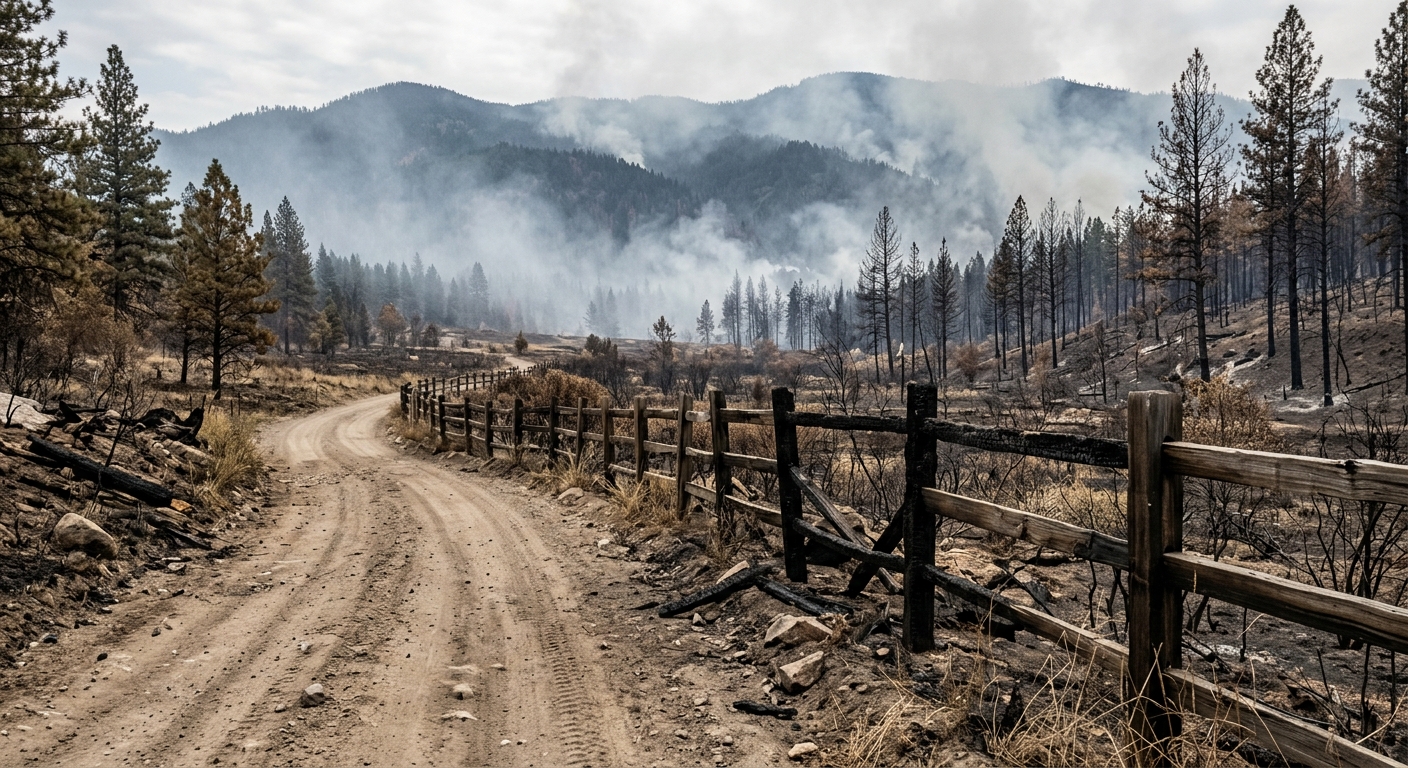
Wildfires in the western US are posing significant challenges for Idaho and neighboring regions, as the threat of fast-moving blazes continues to upend daily life and prompt emergency action. The surge in wildfires western us has led to sweeping evacuations, extensive property damage, and tragic loss of life, underscoring the urgent need for coordinated disaster response throughout the area.
Widespread Impact Across Borders
Communities across the western United States and Canada are on high alert as authorities manage multiple large-scale incidents. In Canada, wildfires canada have forced more than 20,000 people to evacuate their homes near Okanagan Lake in British Columbia. The okanagan lake fire has destroyed numerous properties and led to dramatic rescue operations. Tragically, an elderly resident lost her life while trying to escape advancing flames, highlighting the peril these disasters present to vulnerable populations.
Spokane Region Faces Relentless Wildfires
In the Pacific Northwest, the ongoing spokane wildfires have placed additional pressure on neighboring states such as Idaho. Fire crews have battled three major blazes in the Spokane area for over a week, causing extensive damage to about 920 structures. Wildfire destruction from these events has left communities, including the rural town of Malden, grappling with the aftermath even as they continue to recover from a devastating 2020 fire that decimated much of the area.
Emergency Declarations and Evacuations
As more wildfires threaten residential and forested areas, officials have mobilized comprehensive wildfire emergency measures. In British Columbia, the provincial government has declared a state of emergency and requested federal support to assist displaced families. Across the Idaho border, local authorities are closely monitoring weather forecasts, fire lines, and air quality, ready to implement wildfire evacuations should conditions worsen.
Containment Efforts and Community Vigilance
Firefighters from regional and national agencies have made progress toward wildfire containment, but risk remains as shifting winds and uneven terrain prolong the firefighting effort. Wildfire firefighting resources from Idaho are on standby to assist where needed, underscoring the importance of regional cooperation in mitigating the threat of new flare-ups near residential communities and public lands.
Tragedy Highlights Dangers for Firefighting Crews
The hazards faced by those on the frontlines were once again evident when a wildfire helicopter crash in Utah killed two pilots involved in suppression operations. The National Transportation Safety Board has launched an investigation to determine the cause of the incident. The sacrifice of these individuals serves as a reminder of the risks inherent to wildfire firefighting and the dedication of those committed to protecting people and property.
Wildfire Smoke and Public Safety Measures
For Idaho residents, wildfire smoke safety is an ongoing priority. Health officials have issued advisories about air quality, urging vulnerable groups to minimize outdoor activity during periods of heavy smoke. Numerous local institutions are supplying masks and opening community centers as clean-air shelters to ensure public protection. Residents are also reminded to stay informed and ready for potential evacuation orders as fire season continues.
Looking Ahead: Preparedness and Community Support
The series of wildfires affecting the western US and Canada this year highlights the increasing frequency and intensity of such events. Idaho’s emergency management agencies are emphasizing community preparedness and encouraging residents to support affected peers through local relief organizations. As the region continues to navigate the evolving wildfire season, the focus remains on resilience, safety, and coordinated response measures to safeguard communities from ongoing threats.