- calendar_today September 4, 2026
Meta Data Center Breaks Ground in Idaho with Sustainable Practices
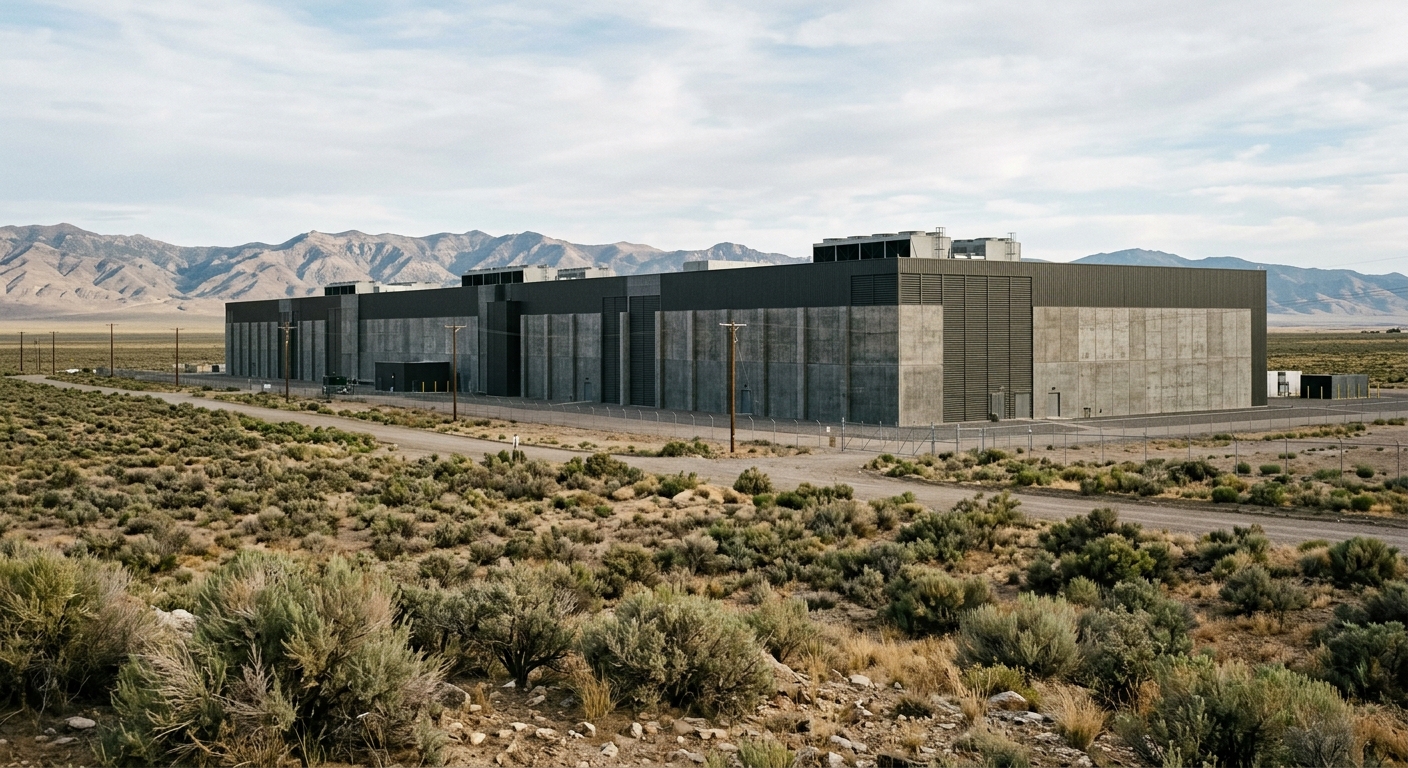
In a significant milestone for Idaho, Meta has officially launched its first data center in the state, known as the Kuna Data Center. As the company’s 28th U.S. facility, this $1.2 billion, 750,000-square-foot complex incorporates advanced environmental strategies, positioning Idaho as a new hub for technological and sustainable growth. The debut of the meta data center signals both economic and infrastructural investment in the region, with expanded opportunity for local communities.
Introducing Closed Loop Cooling to Minimize Data Center Water Use
Addressing longstanding concerns over data center water use, Meta’s Kuna Data Center utilizes a state-of-the-art closed loop cooling system. This technology dramatically reduces water consumption by repeatedly cycling the same water for up to seven to ten years, rather than relying on traditional methods that consume vast quantities of fresh water. After an initial flush requiring approximately one million gallons, the system maintains just 200,000 gallons in constant circulation—far below the volumes associated with earlier designs. This approach marks a notable advancement in data center sustainability, a topic growing in relevance both regionally and nationally.
Powered by Renewable Energy and Solar Projects
Meta’s commitment to minimizing its environmental footprint extends beyond water conservation. The new facility operates entirely on renewable energy, supported by three solar power projects that collectively contribute 645 megawatts to Idaho’s power grid. This initiative enhances meta energy use efficiency while furthering the region’s reliance on clean energy sources. The effort aligns with broader industry trends toward reduced carbon emissions and responsible energy sourcing in modern server farm operations.
Expanding Local Infrastructure and Supporting Community Growth
The construction and ongoing operation of the Idaho data center represent more than just technical innovation. Meta invested heavily in the area’s infrastructure, funding a new water and wastewater treatment plant, and providing support for both emergency services and local educational programs. This infrastructure development was pivotal not only for the present needs of the kuna data center, but also for ensuring lasting community benefits. During the height of data center construction, approximately 1,600 workers were employed on-site, and now the facility supports around 100 full-time staff, creating stable career opportunities in the Idaho region.
Community Engagement and Local Support
While large-scale data centers have faced public scrutiny across the nation, Meta’s Idaho project has been met with a warm reception from local officials. Stakeholders and public figures in Kuna praised Meta for fulfilling its promises and delivering tangible, long-term advantages to the community. Investments have not only centered around technology but also fostered trust, reliability, and a mutually beneficial relationship with the region’s residents and institutions.
Setting a Precedent for Data Center Sustainability in Idaho
The opening of the Meta data center in Idaho may serve as a model for future sustainable server farm deployments in other regions. Its emphasis on closed loop cooling, renewable energy, and robust local partnerships demonstrates how cutting-edge technology can operate in harmony with environmental and social priorities. As data center water use and energy demands continue to grow nationally, such efforts underscore the need for scalable solutions that support both business interests and community well-being.
Looking Ahead
With its innovative systems and significant community investment, the Kuna Data Center represents a key step forward in the ongoing evolution of data center construction and sustainability. Idaho’s latest addition to the national tech landscape stands as a testament to what can be achieved when industry leaders like Meta commit to responsible operations and local engagement. As the facility powers up, eyes across Idaho and beyond will watch how this model shapes the future of technology infrastructure and meta energy use in the years to come.