
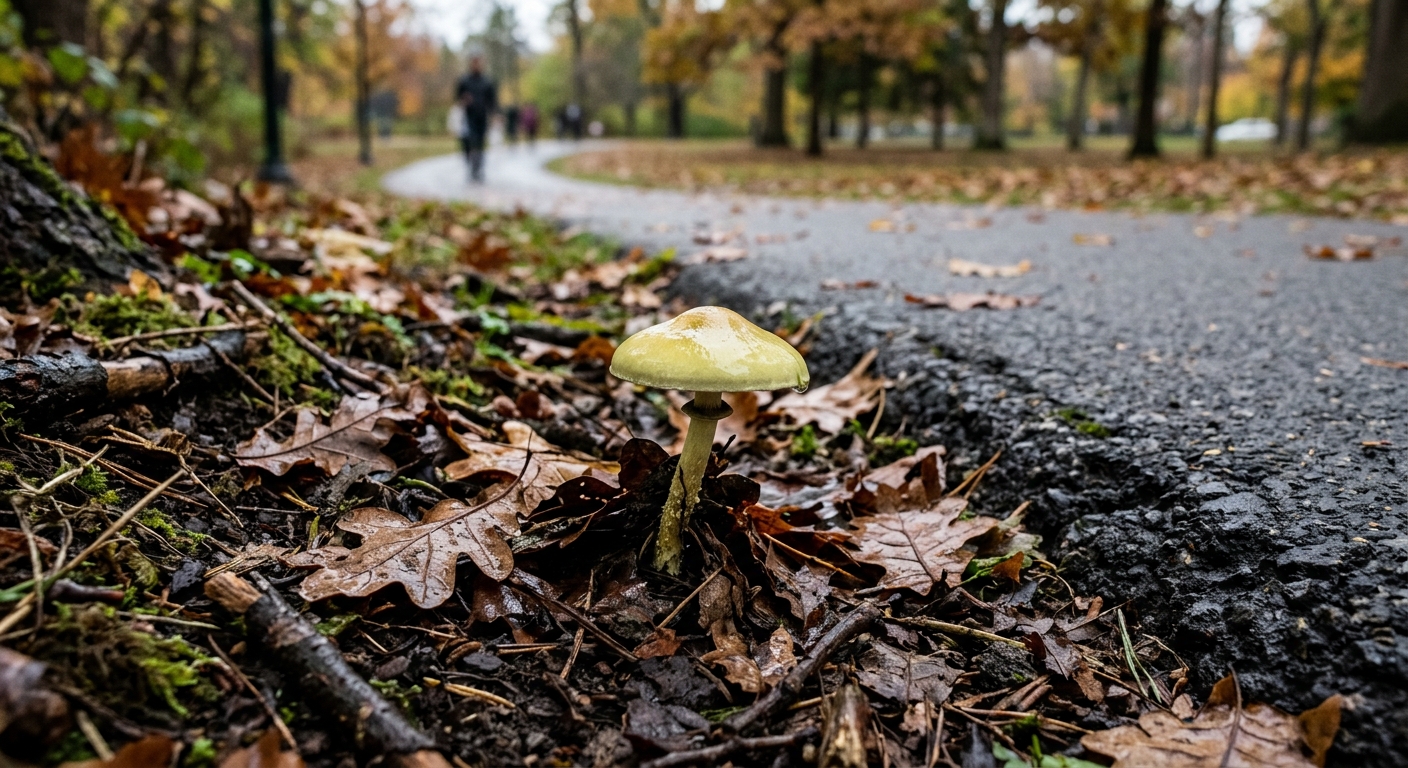
AI-generated illustration; not a photograph of the reported event.
- calendar_today October 15, 2026
Death Cap Mushrooms Reported in Boise
Central District Health (CDH) has issued a warning to Boise residents after several death cap mushrooms were found in the area. The report specifically notes sightings along the Greenbelt in both Boise and neighboring Garden City. These toxic mushrooms had previously been discovered in Boise in 2022, indicating an ongoing concern for public health and safety.
Why Death Cap Mushrooms Are Dangerous
Death cap mushrooms are among the most dangerous mushrooms in the world. Their toxins remain potent even after cooking, freezing, or drying, making them a significant hazard for anyone who might mistake them for edible varieties. According to health officials, these toxic mushrooms tend to appear in autumn, especially following rainfall and usually near oak and other hardwood trees.
Central District Health Urges Caution
CDH strongly advises residents not to consume mushrooms gathered from yards, parks, landscaped areas, or trails, as identification can be difficult. The department emphasizes the risk of confusing death cap mushrooms with edible species, which increases the danger of accidental mushroom poisoning. If someone is unsure about the identification of a mushroom, they are urged to consult with a qualified expert before taking any action.
Mushroom Poisoning Symptoms and Treatment
According to CDH, symptoms of mushroom poisoning from death cap mushrooms typically begin six to twenty-four hours after ingestion. Early signs include severe vomiting, abdominal pain, watery diarrhea, and dizziness. In some cases, initial symptoms may appear to improve, but severe liver and kidney damage can develop three to five days later. Without timely and effective treatment, poisoning can be fatal. CDH advises anyone who suspects they have consumed a death cap mushroom to call the poison center at 1-800-222-1222 and seek immediate medical care. Rapid response is essential for effective mushroom poisoning treatment.
Animal Safety and Reporting
The danger from death cap mushrooms is not limited to people; pets can also be affected. CDH urges owners to monitor both children and animals closely when in parks, yards, schoolyards, or trails. If a pet is suspected to have ingested a potentially toxic mushroom, owners should contact their veterinarian or the ASPCA Animal Poison Control Center at 888-426-4435 for guidance on animal mushroom poisoning.
No Confirmed Poisonings Yet, Continued Vigilance Needed
Although there have been multiple reports of death cap mushroom sightings in Boise and the surrounding areas, there have been no confirmed cases of mushroom poisoning as of now. Central District Health continues to monitor the situation and urges the public to remain aware of wild mushroom safety guidelines and avoid eating any unidentified mushrooms. For more information or updates, residents can refer to official communications from Central District Health.
Source: kivitv.com.


