AI-generated illustration; not a photograph of the reported event.
- calendar_today September 27, 2026
Cyanobacteria Presence Raises Health Concerns Across Idaho
An advisory regarding cyanobacteria has been issued in Idaho, following the recent detection of harmful algal blooms in Ririe Reservoir. These blooms, commonly known as harmful algal blooms (HABs), have prompted public health officials to warn local residents about the dangers posed by water toxins.
Understanding Cyanobacteria and Its Hazards
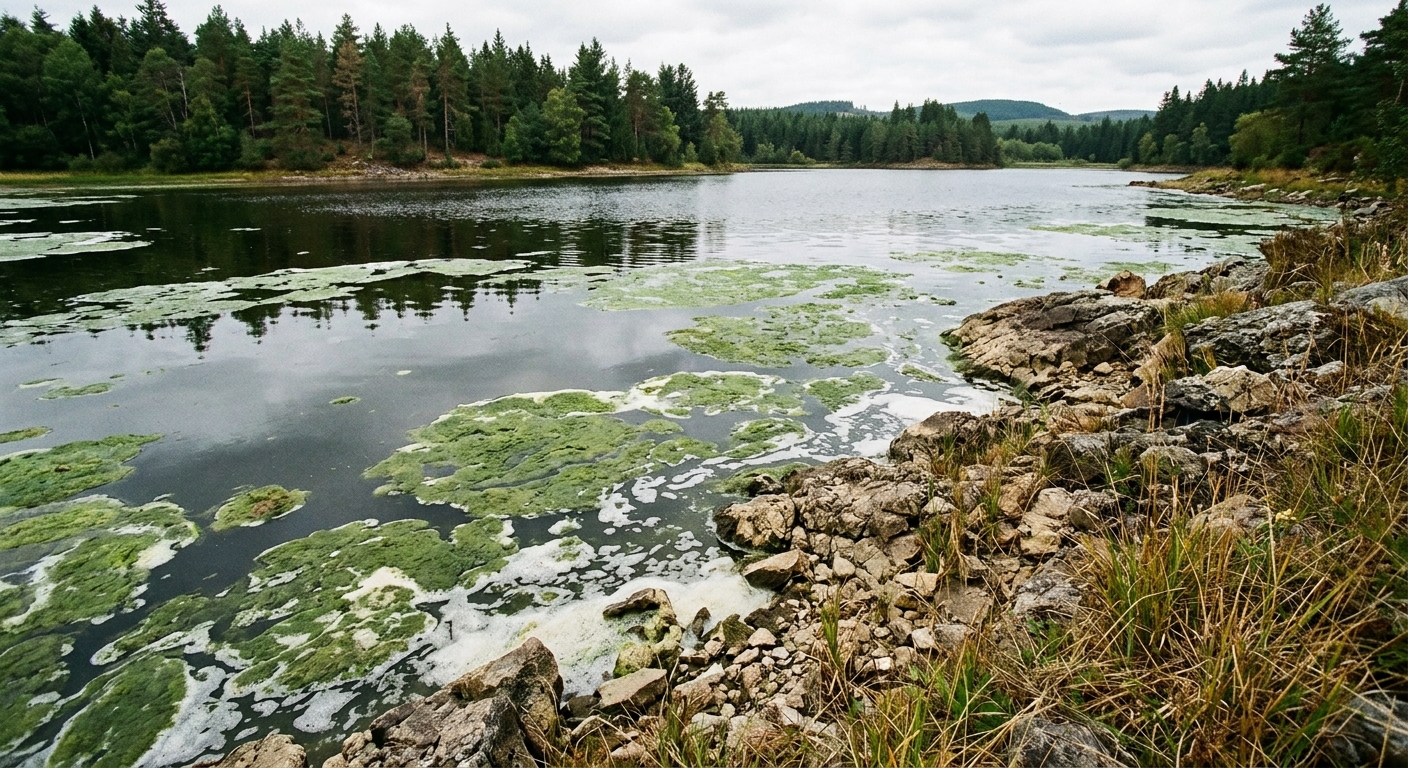
Cyanobacteria are microscopic organisms that thrive in bodies of water like lakes and reservoirs, particularly during warm weather when water stagnation and nutrient concentrations—such as nitrogen and phosphorus—are high. These bacteria are notorious for forming visible green patches, thick foam, or mats on the water’s surface and are sometimes accompanied by pungent odors. As a result, the presence of toxic algae is not always apparent, making awareness and vigilance important for community water safety.
Symptoms and Risks of Toxin Exposure
Water toxins produced by cyanobacteria can present significant health threats. Exposure to these toxins can lead to a spectrum of symptoms, from mild skin irritation and nausea to more severe neurological effects. In extreme cases, especially when exposure levels are high, toxic algae can result in potentially fatal outcomes. According to regional health authorities, the greatest risks arise from direct contact, such as swimming or drinking contaminated water, while activities like boating or fishing are seen as less hazardous but are not risk-free. The Idaho water advisory urges caution for all water-based recreation.
Pets and Community: Vulnerability and Prevention
Pet health risks are a particular concern in Idaho communities, highlighted by the susceptibility of dogs to cyanobacteria toxins. Dogs often come into contact with contaminated water during recreational outings, and because toxins adhere to fur, they may inadvertently ingest harmful substances while grooming themselves. Veterinarians across the state recommend avoiding risky water activities with pets until waters are declared safe.
How Authorities Detect and Monitor Water Quality
Idaho relies on a combination of public vigilance and official water quality testing. The process begins when residents report unusual water coloration or odors. Environmental authorities then conduct on-site assessments and collect samples for laboratory analysis to identify both cyanobacteria presence and the concentration of water toxins. Timely detection is vital for issuing rapid cyanobacteria warnings and initiating public outreach.
Guidelines for Residents: Safety Steps and Reporting Procedures
Regional health officials recommend staying out of water that has visible green coloring, foam, or other suspicious features. If someone comes into contact with water suspected of containing cyanobacteria, it is crucial to wash the affected area immediately and consult a healthcare provider. Residents should also report potential blooms to the Idaho Department of Environmental Quality so that swift action can be taken. The Department emphasizes the memorable advice: “when in doubt, stay out,” to safeguard against toxin exposure.
Maintaining Water Safety in Idaho
Ongoing community cooperation remains essential in addressing Idaho’s toxic algae risks. As warm summer weather continues, local authorities encourage both long-term vigilance and immediate reporting of water quality concerns. Public awareness, responsible recreation, and adherence to official guidance will help minimize the risks posed by cyanobacteria and other harmful algal blooms.