- calendar_today July 16, 2026
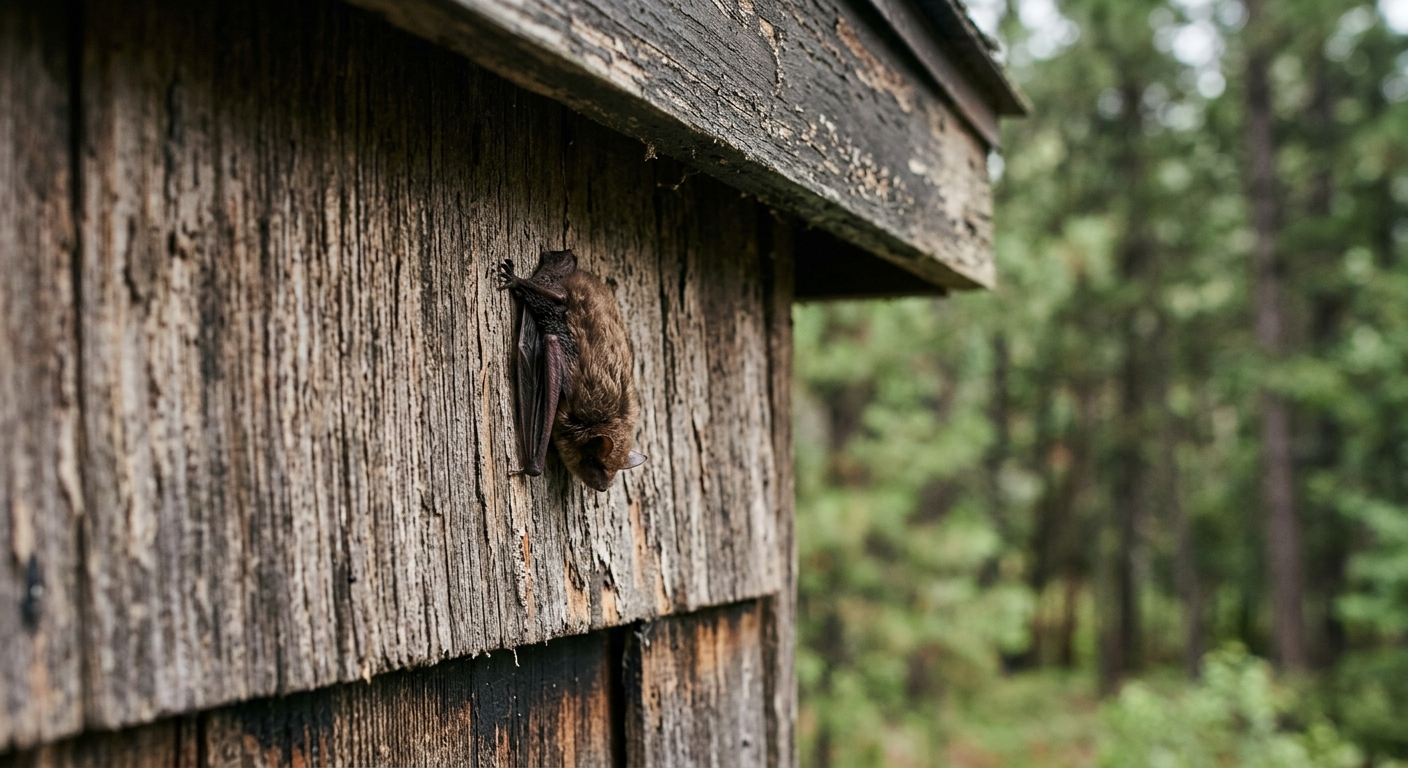
The first confirmed case of bat rabies this year in South Central Idaho has been reported, drawing renewed attention to the region’s ongoing public health efforts to mitigate rabies exposure. Blaine County health officials confirmed the diagnosis, making it the earliest case recorded in this part of Idaho for 2026. Although cases of rabies in bats have emerged elsewhere across the state, this incident underscores the continued vigilance required across local communities.
Alert for Residents: Understanding Bat Rabies in Idaho
Bats are a natural reservoir for rabies, a viral disease that poses serious health risks to both humans and animals. The recent detection of bat rabies in South Central Idaho serves as an important reminder for residents to stay alert, especially during months when bat activity increases. According to public health authorities, exposure to rabies can often go unnoticed, particularly because bat bites can be small and difficult to identify. Prompt medical evaluation after any potential bat contact is essential, health officials say, as post-exposure treatment effectively prevents the development of rabies.
Preventing Rabies Exposure: Community Guidelines
Local experts recommend several strategies for minimizing rabies risk. First and foremost, avoid direct contact with bats whenever possible. If it is absolutely necessary to handle a bat—such as removing one from a home—residents are advised to use thick gloves and exercise extreme caution. Unprotected bat handling remains a significant factor in accidental rabies transmission. The South Central Public Health District stresses that prevention is the best defense against bat rabies, particularly in households with pets or young children.
Pet Vaccination: A Key Measure in Rabies Prevention
Regional veterinarians and health officials jointly encourage all pet owners to keep vaccinations current for dogs, cats, and horses. Pet vaccination is recognized as one of the most effective tools in rabies prevention. Ensuring household animals are protected not only safeguards them, but also acts as a barrier against potential transmission to humans. Many local clinics in Idaho offer accessible rabies vaccination services, providing pet owners with convenient options to stay compliant with state regulations.
Bat-Proofing Homes: Simple Steps for Bat Safety
In an effort to reduce rabies risk, authorities are advising homeowners in South Central Idaho to inspect their properties for possible points of bat entry. Sealing small holes and cracks in exterior siding, as well as installing or repairing window screens, helps prevent bats from entering living spaces. These steps, endorsed by public health officials, significantly enhance bat safety in both residential and rural environments.
What to Do in Case of Suspected Exposure
If there is reason to suspect rabies exposure—such as finding a bat in a bedroom or direct bat contact—individuals should contact a health district epidemiologist immediately. The South Central Public Health District provides rabies testing services and consultation. Health professionals caution against bringing live bats to health offices directly, recommending that residents seek guidance first to arrange safe testing procedures.
Public Health Commitment to Rabies Prevention
The reporting of this initial bat rabies case has reinforced the region’s commitment to public health. Cooperation between local communities, medical providers, and public institutions is key to sustaining effective rabies prevention. In Idaho, continued education about the dangers of rabies exposure, safe pet management, and the importance of proper bat handling remain priorities for protecting residents throughout South Central Idaho.
Ongoing Vigilance for Community Well-Being
With warmer months ahead and increased bat activity expected, public health officials in Idaho urge ongoing vigilance regarding rabies risk. Awareness, routine pet vaccination, and careful bat safety measures are essential to maintain a healthy environment in South Central Idaho. As the community responds to this recent development, authorities reiterate the importance of early detection and collaborative prevention efforts to limit future cases of bat rabies in the region.