- calendar_today August 22, 2026
Beijing has become the epicenter of a technological spectacle as humanoid robots made headlines by outpacing some of the greatest human athletic feats ever recorded. At the recent World Humanoid Robot Games, engineers and spectators witnessed these advanced machines accomplish the seemingly impossible, setting new milestones that have far-reaching implications for robotics communities in Idaho and well beyond.
Humanoid Robots Surpass Human Athletic Records
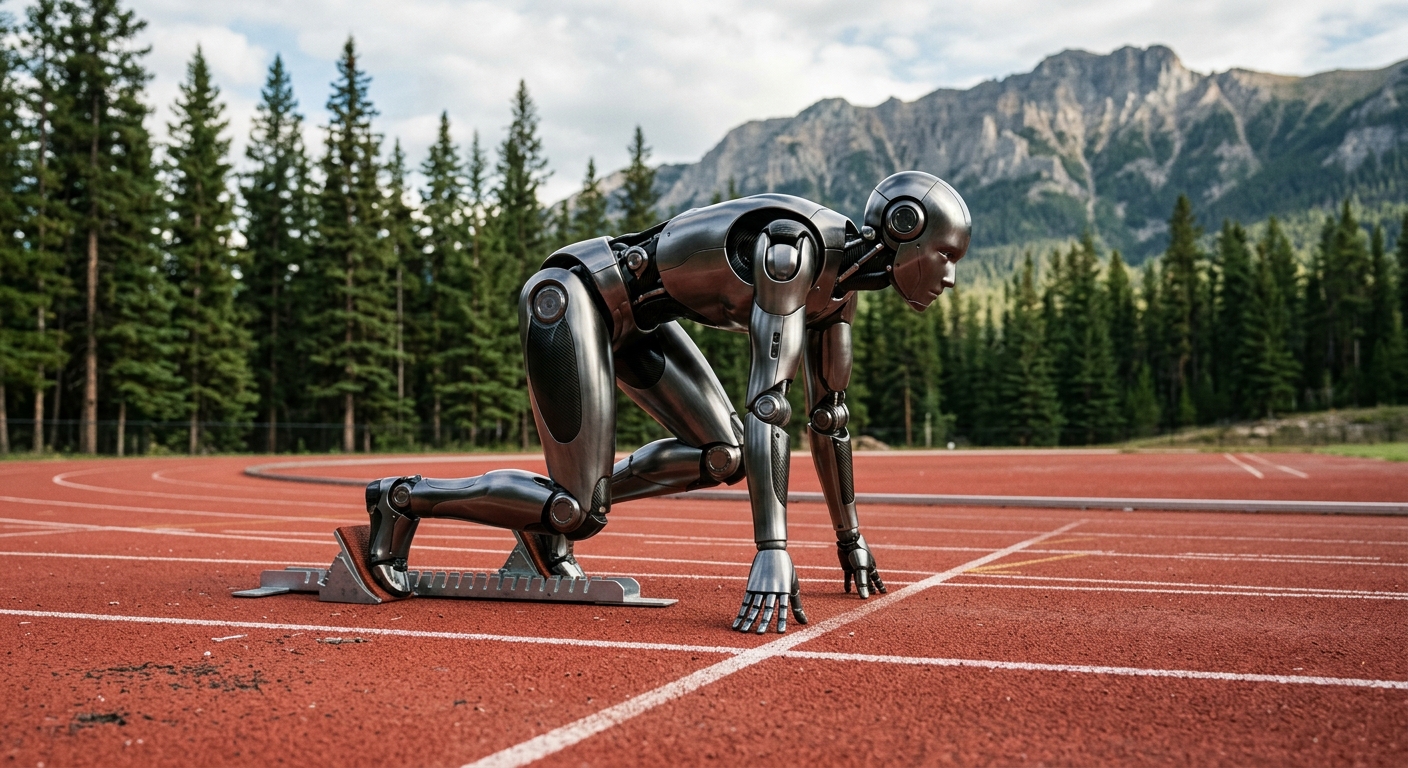
Among the standout achievements at the event, one humanoid robot astonishingly completed the 100-meter dash in just 9.39 seconds, surpassing the famed record set by Usain Bolt. Another robot delivered a high jump performance at 2.88 meters, outdoing the top human world record. These athletic feats were a highlight of the five-day competition, which drew more than 2,000 robots representing 16 countries.
The Growing Scale of Robot Games
The robot games included 51 distinct events that pushed the boundaries of robot sports and physical prowess. From soccer and table tennis to advanced track contests, the range of competitions drew parallels with elite human athletic tournaments. This year, the games coincided with the world robot conference, another prominent gathering spotlighting the pace of robotics advancements worldwide, with a particular focus on china robotics innovation.
Key Players and Industry Innovation
Central to many of these remarkable performances is X-Humanoid, a Beijing-based robotics company that supplied several entrants, including ones that set the 100-meter robot sprint record. Other notable contributors include Honor, which reported a 9.32-second sprint in preliminary trials. Engagement from industry leaders underscores a surge in robot technology and the drive to merge athletic excellence with machine learning and artificial intelligence.
Events, Demonstration, and Real-World Impact
While the event showcased the impressive progress in robot competition, experts emphasized that most humanoid robots are still in the demonstration phase. Their practical, everyday deployment remains on the horizon, as engineers continue to refine these machines beyond the confines of exhibitions.
Idaho’s Connection and Interest
Idaho, with its growing investment in STEM education and technology sectors, is closely following developments in global robotics. Local universities and innovation hubs are increasingly viewing competitions like these as benchmarks and inspiration for their own research. The accomplishments of humanoid robots in Beijing resonate strongly with Idaho’s commitment to fostering next-generation technology and preparing students for emerging roles in robotics engineering.
International Context and Security Concerns
The backdrop of these spectacular athletic displays was shaped by broader international dynamics. The events were held amid heightened tensions, as U.S. officials continue to express concerns over national security and consider trade restrictions related to Chinese robotic imports. Despite these issues, the momentum in robotics advancements and collaboration across borders was clearly evident at Beijing’s dual showcases.
The Future of Humanoid Robots
Spectators and experts alike noted a sense of amazement mixed with cautious optimism. As humanoid robots inch closer to rivaling human achievements in various domains, questions arise about the social and economic impact of this technological evolution. Idaho’s community, like many others, is watching how this movement will shape labor, education, and the integration of artificial intelligence into everyday life.
A New Era for Robotics
The breakthroughs witnessed at the World Humanoid Robot Games point to a new era where machines challenge—and in some respects—surpass human benchmarks. For regions like Idaho with vibrant technology ecosystems and a forward-thinking approach, the lessons from these robot games promise to influence innovations across local industries, research centers, and classrooms for years to come.