- calendar_today August 15, 2025
Hyundai recently made an investment of $21 billion in the U.S auto and steel industries, igniting discussions all around the U.S. about the investment’s likely impacts. Most of the bid is meant toward the production of electric vehicles (EVs) with battery manufacture and steel infrastructure. Still, states such as Idaho would benefit indirectly by opening up the supply chain, creating jobs, and increasing industrial activity.
Idaho, which has burgeoning technology and manufacturing sectors, would benefit from new opportunities emerging from Hyundai’s historic investment. Businesses within the state track developments as they affect local industry, workforce training, and economic growth.
Manufacturing and Supply Chain Effects
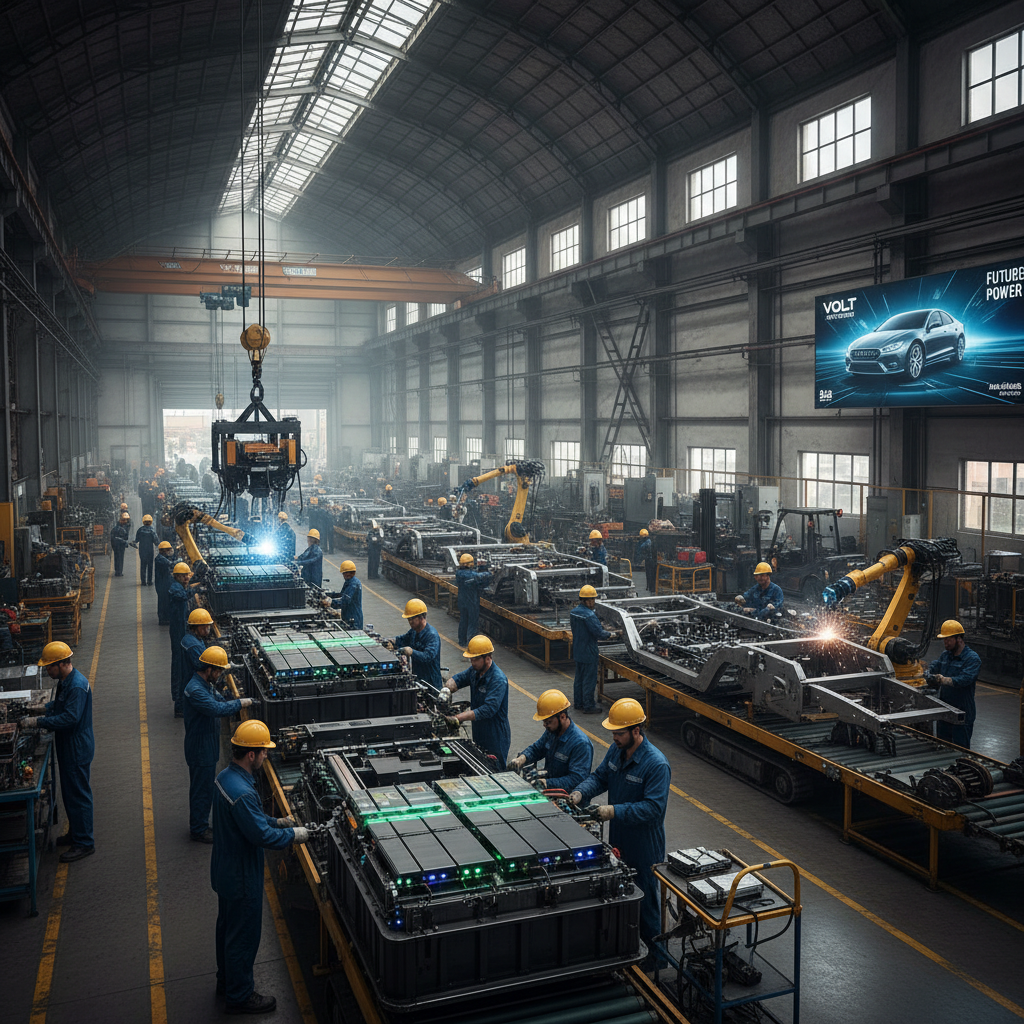
By hoping to increase domestic production of EV components and batteries and to ramp up steel production, the company is set to create greater demand for raw materials, industrial equipment, and logistics. Incremental needs for specialized components and production expertise will also be available to Idaho’s manufacturers and suppliers—especially those engaged in metal fabrication as well as electronics and automation areas.
Indirect ripple effects will also reach the agricultural equipment and machinery manufacturers in the state. Suppliers of heavy-duty equipment, construction materials, and mechanical parts are expected to benefit as Hyundai steps up its steel production for automotive applications.
Further, the transport and logistics industry in Idaho would grow with the movement of goods from the new Hyundai facilities to the existing supply points. Along with this, trucking and freight companies within the region will probably enjoy increased demand for their services, especially in the case that Hyundai boosts regional distribution.
Employment Growth and Workforce Development
Hyundai could offer new job openings to the Idaho workforce as it ramps up the manufacturing activities in the U.S. Some of the primary locations for expansion will not be disclosed; however, industries related to the supportive ones could see spurs in hiring, such as those under:
- Advanced manufacturing and automation
- Battery production and recycling
- Supply chain management and logistics
- Software development and industrial engineering
Idaho’s technical schools and community colleges may expand training programs to better prepare workers for EV-related jobs, as the state prepares to march against green technology and high-tech manufacturing.
Energy and Sustainability Issues
The investment made by Hyundai takes root in having a great part in sustainable energy moving forward and expansion in EVs, much like Idaho and its very active renewable energy sector. The fast-developing state is already investing in hydropower and solar energy, plus battery storage technologies, thus making it an ideal candidate to be paired with in the transition toward cleaner industrial processes.
Hyundai’s recent investment of $21 billion into the U.S. auto and steel industries has ignited discussion all over the U.S. about the potential effects. Much of this investment is to focus on electric vehicle (EV) production, battery manufacturing, and steel infrastructure. But it might have indirect benefits for states like Idaho through supply chain proliferation, job creation, and increased industrial activity.
Idaho’s Position in a Changing Auto Industry
While Idaho is not traditionally a major automotive manufacturing hub, its tech-driven economy, industrial expertise, and strong transportation infrastructure make it a valuable player in Hyundai’s long-term strategy.
By focusing on workforce readiness, supply chain expansion, and sustainable energy development, Idaho businesses can capitalize on the economic shifts driven by Hyundai’s $21 billion investment. The coming years may present new growth opportunities, reinforcing the state’s position in the evolving U.S. manufacturing and automotive landscape.