- calendar_today August 8, 2025
Increasing Expenses and Supply Chain Disruptions Threaten High-End Car Sales in Idaho
Trump’s trade policies, such as tariffs on European and Chinese luxury vehicles, are redefining Idaho’s luxury auto market, causing increased expenses and changing consumer trends.
Idaho’s Luxury Auto Dealers Struggle Economically
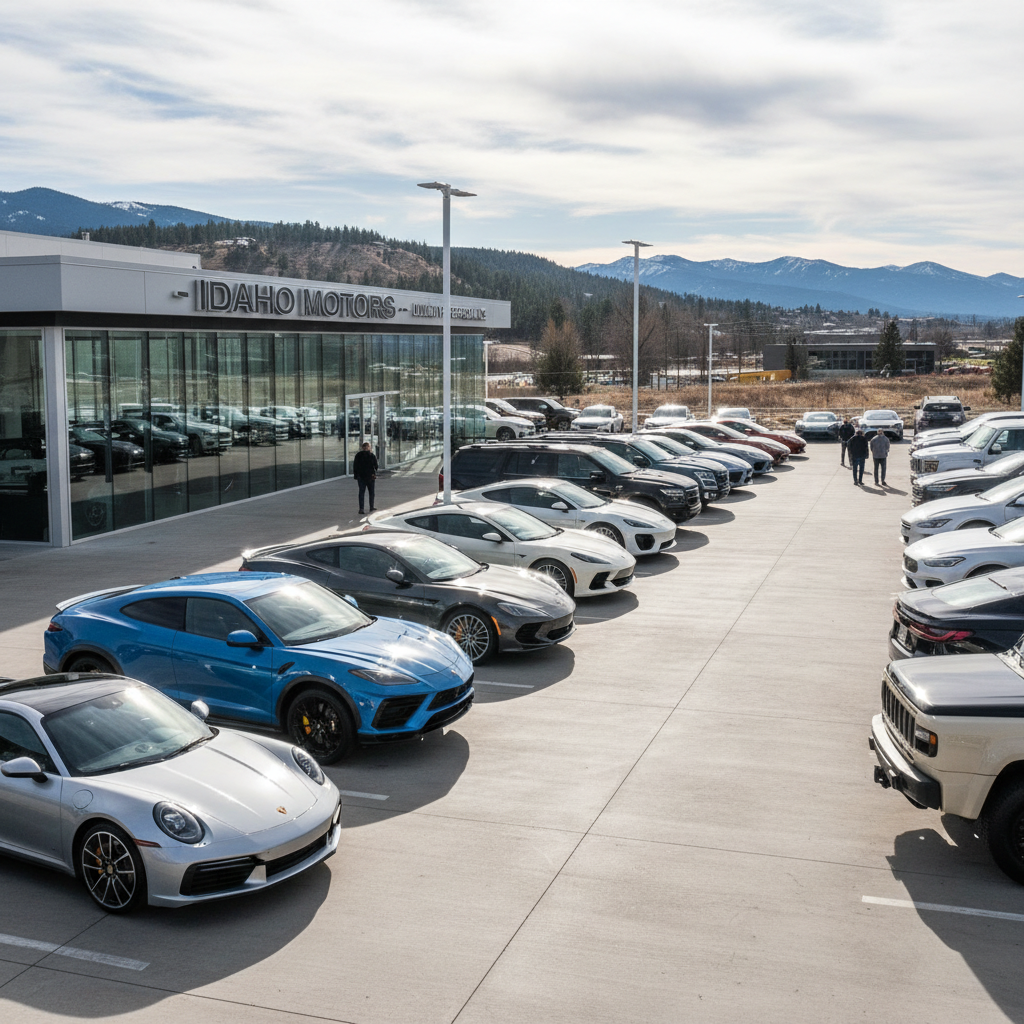
Idaho luxury car dealerships are still trying to shake the long-term effects of ex-President Donald Trump’s trade policy in 2025. European and Chinese automobile import tariffs have disturbed supply chains, driven up prices of cars, and prompted dealerships to adjust to maintain competitiveness.
Cities such as Boise, Meridian, and Coeur d’Alene, which have experienced increasing demand for luxury cars, are seeing lower volumes of sales as the increased cost of those cars deters possible buyers. Mercedes-Benz, BMW, and Porsche are among the brands seeing major challenges with sticker prices increased by rising import charges and a diminished demand.
European and Chinese Imports Struggle under Tariffs
Trump’s administration applied tariffs on a wide variety of imported cars and auto components, especially those coming from Europe and China. Intended to decrease trade deficits, these measures have had a notable effect on Idaho’s luxury auto industry, which has made premium imports less affordable for consumers.
German manufacturers, such as BMW and Mercedes-Benz, have been experiencing increasing costs that trickle down directly into dealership prices. At the same time, Chinese luxury electric vehicles like Nio and Polestar are finding it difficult to find footing in the state owing to high import tariffs.
Changing Consumer Preferences As Prices Go Up
Idahoans, especially in wealthier communities such as Eagle and Sun Valley, have long preferred European luxury vehicles. But with prices increasing 10-20% since the tariffs went into effect, many consumers are looking elsewhere. Some are putting off new car purchases, while others are opting for certified pre-owned (CPO) vehicles or domestic luxury vehicles to offset expenses.
Industry observers add that financing luxury cars has also grown more costly, since higher prices result in higher loan levels and bigger monthly payments. Although a few manufacturers have launched aggressive leasing promotions to mitigate these expenses, they have not been sufficient to reverse the market fully.
Domestic and Electric Vehicles Gain Popularity
While tariffs are reshaping the market, local luxury brands such as Cadillac and Lincoln are reeling in renewed demand. These locally made alternatives do not fall prey to import-based price increases, providing them a leg up in Idaho’s marketplace.
Tesla has also become a big winner in this changing world. Idaho dealerships indicate Tesla’s premium electric vehicles like the Model S and Model X are gaining traction because of their relative price stability. With U.S.-based production, Tesla doesn’t face the tariffs that have raised costs for European and Chinese rivals.
Future Trade Policy Uncertainty
While President Biden’s government has modified some of Trump’s trade policies, several tariffs are still intact. Idaho’s auto industry players are watching closely for possible trade talks to see whether future changes would bring relief to luxury auto dealerships.
Meanwhile, dealerships are dealing with a turbulent economic environment, juggling increasing costs, shifting consumer tastes, and geo-political trade issues. Automakers emphasizing local manufacturing, innovative financing options, and strategic pricing will be best-equipped to succeed in Idaho’s changing luxury auto market.
Conclusion
Trump’s trade policies have left a lasting mark on Idaho’s luxury car market. While dealerships continue to struggle with higher import costs, many are shifting their focus to domestic brands and electric vehicles to remain competitive. As the industry adapts, both auto dealers and consumers must adjust to a changing luxury auto landscape in Idaho.