- calendar_today August 11, 2025
Idaho, often recognized for its vast natural landscapes and rugged beauty, is quietly becoming a clean energy contender in the western United States. With hydropower supplying over half the state’s electricity and a growing emphasis on solar and wind energy, many Idaho-based investors are wondering if 2025’s market volatility is the right time to buy into green energy stocks.
While green energy equities have stumbled in early 2025, larger trends—like the Inflation Reduction Act (IRA), state-level energy initiatives, and increasing demand for energy independence—present long-term growth opportunities. The question remains: is the timing right?
Green Energy Stocks in 2025: National Dip, Local Potential
In Q1 2025, several major renewable stocks underperformed. SolarEdge Technologies (SEDG), a player in solar inverters, saw a decline of nearly 40% due to demand concerns. Tesla (TSLA), beyond cars, contributes to grid storage solutions, but its stock is down nearly 47% YTD due to lower delivery numbers. Even First Solar (FSLR), a strong utility-scale solar firm, lost more than 30%.
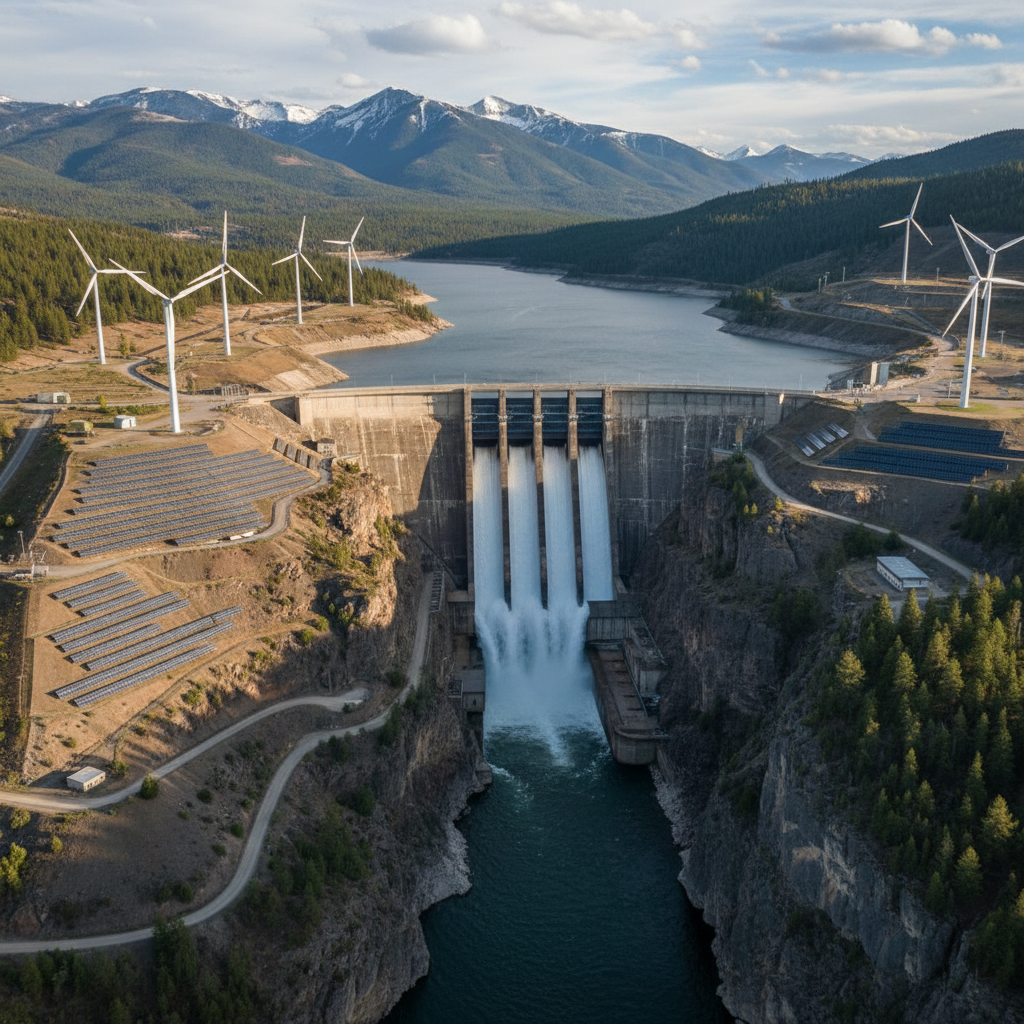
In Idaho, where hydroelectric dams dominate the landscape, green energy companies are not as immediately visible, but regional suppliers like Idaho Power are heavily investing in solar arrays and exploring wind expansions to meet their 100% clean energy goal by 2045. The infrastructure push, backed by federal and state incentives, could directly benefit investors over time.
Idaho’s Renewable Policy Outlook in 2025
Idaho does not currently have a Renewable Portfolio Standard (RPS) like neighboring Oregon or Washington, but it benefits significantly from federal funding via the IRA. The IRA includes a 30% Investment Tax Credit (ITC) for solar and energy storage systems and expanded tax incentives for hydropower upgrades—directly relevant to Idaho’s utility structure.
Additionally, Idaho Power’s Clean Energy Plan aims to eliminate coal usage and scale up wind and solar capacity, including utility-scale projects near Twin Falls and the Treasure Valley. Though the state is more conservative in its energy regulations, the private sector is increasingly stepping in to drive renewable development.
Market & Economic Trends Impacting Idaho’s Investment Environment
U.S. interest rates are currently hovering around 4.5% in early 2025, impacting project financing for large-scale energy infrastructure. Higher rates mean higher capital costs, which can slow clean energy rollout in states like Idaho, where financing often comes through regional utilities or private developers.
On the upside, inflation has cooled to 2.8%, improving consumer confidence and potentially freeing up state and federal funds for public-private renewable energy collaborations.
Despite short-term equity turbulence, ETFs such as the iShares Global Clean Energy ETF (ICLN) and the Invesco Solar ETF (TAN) provide Idaho investors with exposure to solar, wind, and clean tech companies. These funds are down 5–25% YTD, but analysts argue this pullback could be an entry point.
What Idaho Analysts and Energy Stakeholders Say
Steve Hill, a clean energy advisor based in Boise, commented, “Idaho may not be leading the green energy headlines, but our hydropower backbone combined with growing solar investments make this state a sleeper in the energy transition.”
Energy experts nationwide still caution investors to expect short-term instability. Factors like supply chain constraints, election-year uncertainty, and geopolitical pressures (e.g., rare earth metal access) continue to affect stock prices.
Still, global bodies like the International Energy Agency (IEA) project that renewables will account for 42% of U.S. electricity by 2030. Idaho’s rich energy mix, particularly in hydro and potential geothermal, suggests room for investment growth.
Should Idaho Investors Buy Green Energy Stocks Now?
For Idaho investors, 2025 offers a mix of risk and opportunity. Those with a long-term view (5–10 years) may find this current dip a strong entry point, especially with federal backing and Idaho’s natural advantages. Hydropower upgrades, rural solar initiatives, and battery storage programs all signal growth.
Short-term investors, however, should be cautious. Volatility may continue through the 2025 election cycle, and not all green stocks will recover equally. A diversified approach through ETFs or exposure to infrastructure companies (like those partnering with Idaho Power) could help reduce risk.
Ultimately, green energy isn’t just an environmental bet—it’s an economic one. For Idaho, where sustainability and self-reliance go hand-in-hand, investing in the clean energy transition now may align with both your values and your financial goals.