
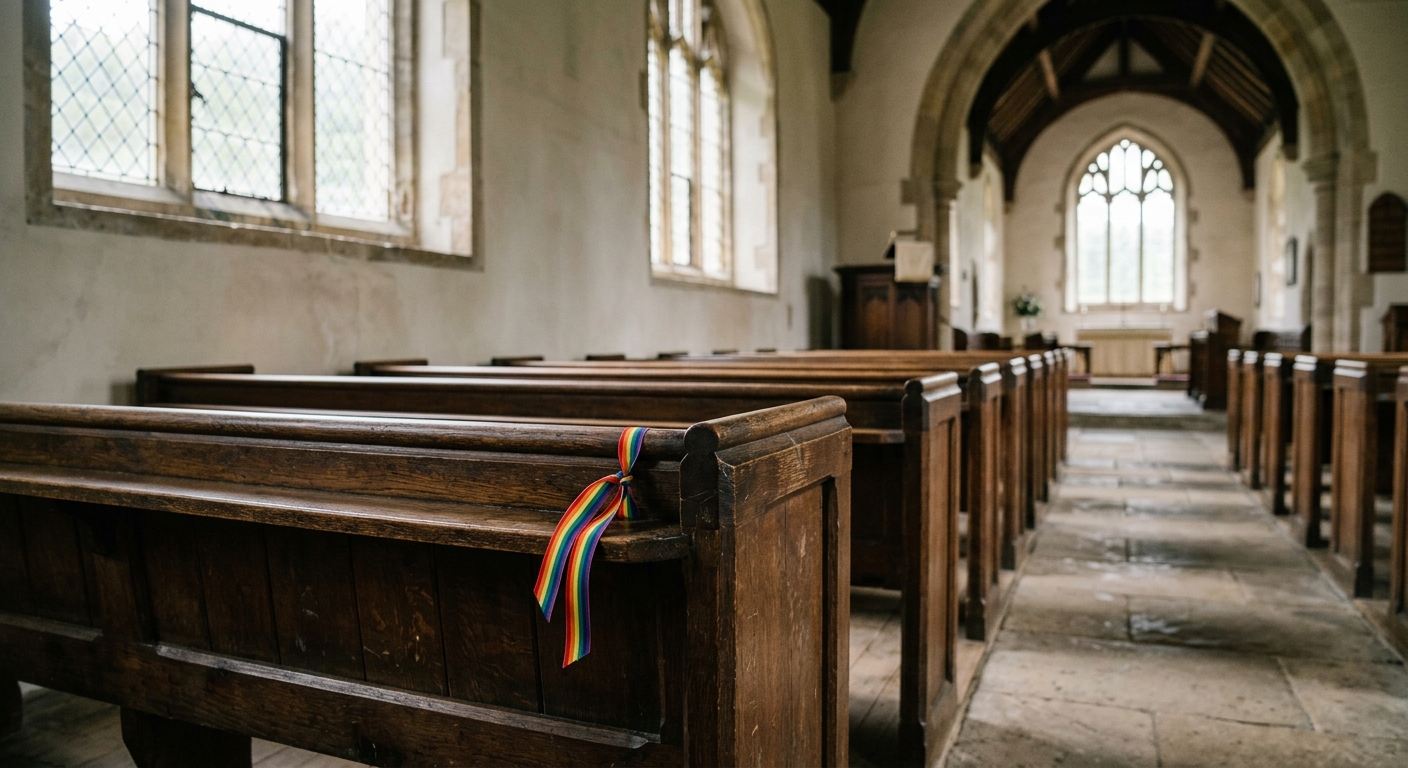
AI-generated illustration; not a photograph of the reported event.
- calendar_today July 17, 2026
The United Methodist Church has announced the relocation of its 2027 annual conference from Idaho, citing concerns over state laws impacting transgender and nonbinary individuals. The decision, made by the church’s Oregon-Idaho Conference, underscores ongoing regional tensions around safety, inclusion, and advocacy for marginalized communities.
Oregon-Idaho Conference Responds to Changing Landscape
Following a close vote at the 2026 annual conference in Boise—with 52% of delegates in favor—the Oregon Idaho Conference moved to transfer the 2027 event to a safer, more inclusive venue outside Idaho. The move comes after Idaho implemented stringent legislation, including a bathroom ban that criminalizes the use of public facilities by people whose gender identity does not align with their sex assigned at birth.
Transgender Safety and Idaho Laws
The climate for LGBTQ+ individuals in Idaho has grown increasingly fraught amid the passage of several new policies and lgbtq legislation. Although legal challenges have resulted in a federal injunction limiting some enforcement of the bathroom ban, transgender safety remains a central concern for both church leaders and the congregation at large. The united methodist church’s regional leadership described the environment as a significant barrier to hosting an inclusive gathering.
Clergy Support and Advocacy Efforts
Bishop Cedrick Bridgeforth articulated the delicate balance the church faces: ensuring the well-being of delegates and guests, while preserving a meaningful presence in Idaho. Many clergy—including Rev. Jenny Hirst and Rev. Duane Anders—voiced deep support for the LGBTQ+ community and stressed the importance of ongoing church advocacy. “Our church must be a beacon for all, but we must also keep our members safe,” Rev. Hirst remarked.
Debate Over Conference Relocation
The decision to relocate the annual conference was not unanimous. Voices within the community emphasized the importance of remaining in Idaho to engage directly with issues of justice and support local marginalized groups. Some attendees felt that holding the gathering in the state would send a stronger message of solidarity and inspire collaboration with community organizations, even as others expressed serious reservations about participant safety under new idaho laws.
Commitment to Inclusion and Enhanced Access
Despite the change in venue, the united methodist church has pledged to maintain inclusion efforts throughout Idaho. New plans were approved to expand online access, enabling broader participation in the annual conference for those unable or unwilling to travel. Additionally, the church will implement enhanced safety protocols for future gatherings and strengthen partnerships with local advocacy groups to further church advocacy on issues of equality and justice.
Ongoing Role in the Region
The Oregon Idaho Conference remains active in the state, seeking opportunities to advocate for change and support members affected by restrictive policies. While the 2027 annual conference will be held elsewhere, local congregations and clergy support will continue to play a vital part in Idaho’s communities. The church’s commitment to inclusion, justice, and the well-being of all remains central, resonating across the region despite present legislative obstacles.
Looking Ahead
By relocating the conference, the united methodist church signals both its concern for safety and its unwavering dedication to inclusion efforts. Idaho communities, especially those impacted by recent laws, are assured of continuing support from regional church leaders as they strive for greater fairness and belonging in the years ahead.


