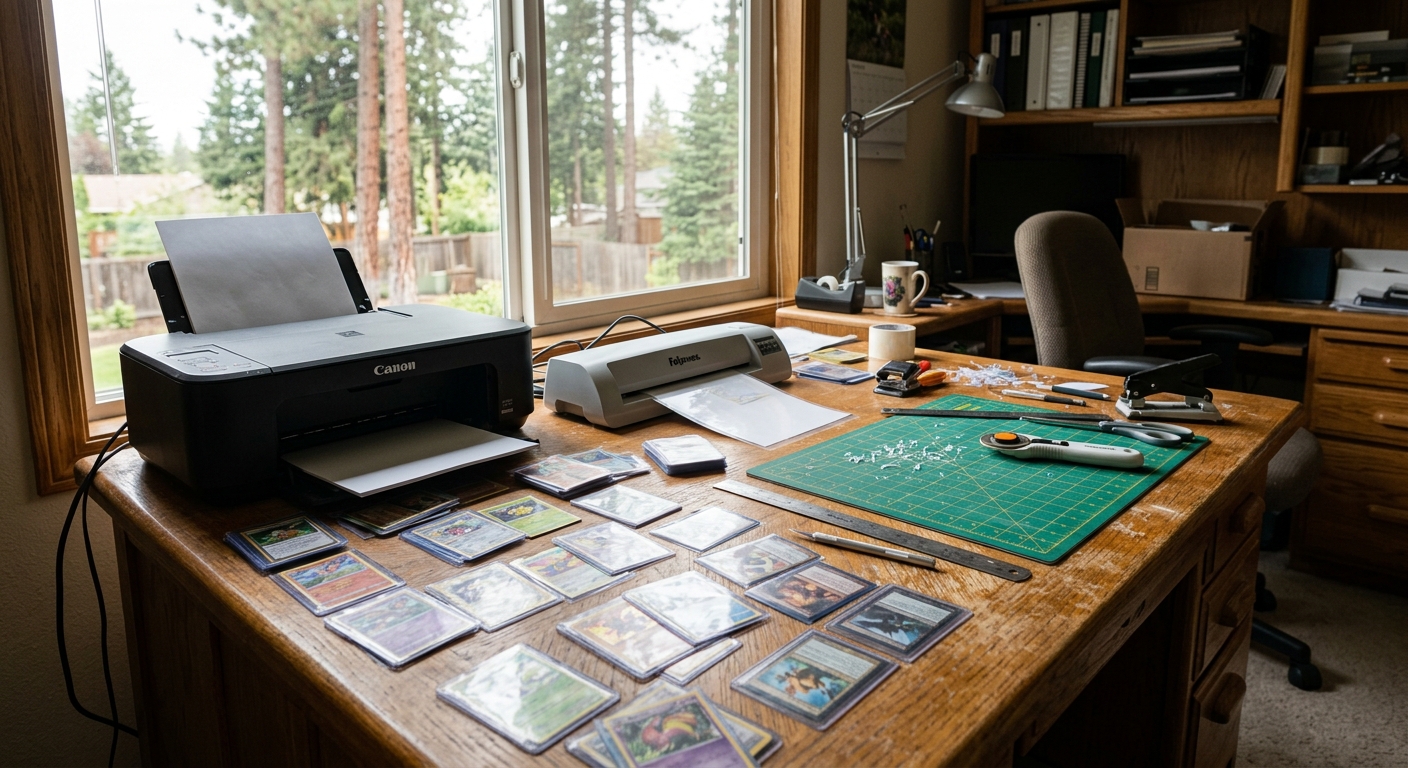
AI-generated illustration; not a photograph of the reported event.
- calendar_today September 16, 2026
In a case resonating through Idaho’s collecting circles, a Utah woman has been sentenced for orchestrating a scheme involving fake Pokémon cards, defrauding collectors out of more than $13,000. The case underscores rising concerns about counterfeit cards and the broader impact of Pokémon card fraud across the region.
Collector Scam Ripples Across Idaho
Local law enforcement and trading communities in Idaho are on high alert after Haley Alejandra Hayward received jail time and community service for her role in a collectible card scam. While based in Utah, the reach of Hayward’s fraudulent activities extends throughout regional circles, with authorities warning Idaho collectors to be vigilant.
Fraudulent Sales: How the Scam Unfolded
Hayward’s operation began to unravel in December, following a transaction involving an Idaho-based victim who paid $4,500 for what were purported to be authentic, PSA-graded Pokémon cards. After discovering the cards were in fact fake, further investigation revealed Hayward’s deeper involvement in a network of Pokémon card counterfeiting and card forgery.
Uncovering the Counterfeit Operation
Following the initial report, police searched Hayward’s premises, locating a sophisticated setup used to manufacture counterfeit cards. Confiscated items included laptops, printers, laminators, and 3D printing equipment. In addition to fake currency and rare cards, materials found highlighted the methodical approach behind the Pokémon card fraud. Each piece of evidence painted a clearer picture of a calculated theft by deception operation targeting unsuspecting buyers.
Legal Proceedings and Sentencing
Charged with multiple third-degree felonies, Hayward faced accusations of criminal charges involving theft by deception, forgery, and communications fraud. During court proceedings, she entered no contest pleas to reduced offenses. In sentencing, the court handed down a month in jail, a community service sentence of 150 hours, and ordered her to serve two years on a probation sentence. Additionally, Hayward was directed to pay court restitution totaling $12,650 to her victims.
Protecting Idaho’s Collectors From Scams
This case has sounded an alarm within Idaho’s card collecting and gaming communities. Trading stores, conventions, and local groups are now redoubling efforts to authenticate rare items and educate members about the risks posed by Pokémon card counterfeiting. Awareness workshops and partnerships with law enforcement are being planned, emphasizing the importance of vigilance in all high-value transactions.
Looking Forward: Combatting Collectible Card Fraud
Authorities across Idaho and neighboring states continue to crack down on similar scams, reflecting rising national concerns about the integrity of the trading card market. The Hayward case highlights the necessity for regional cooperation in tackling collectible card scam operations and protecting both seasoned collectors and newcomers from falling victim to fraud.
As fake Pokémon cards become more sophisticated, collectors are encouraged to purchase cards only from trusted sources, request professional authentication, and report suspicious transactions. With vigilance and collective action, Idaho remains committed to safeguarding its vibrant collecting community from future scams and counterfeiters.