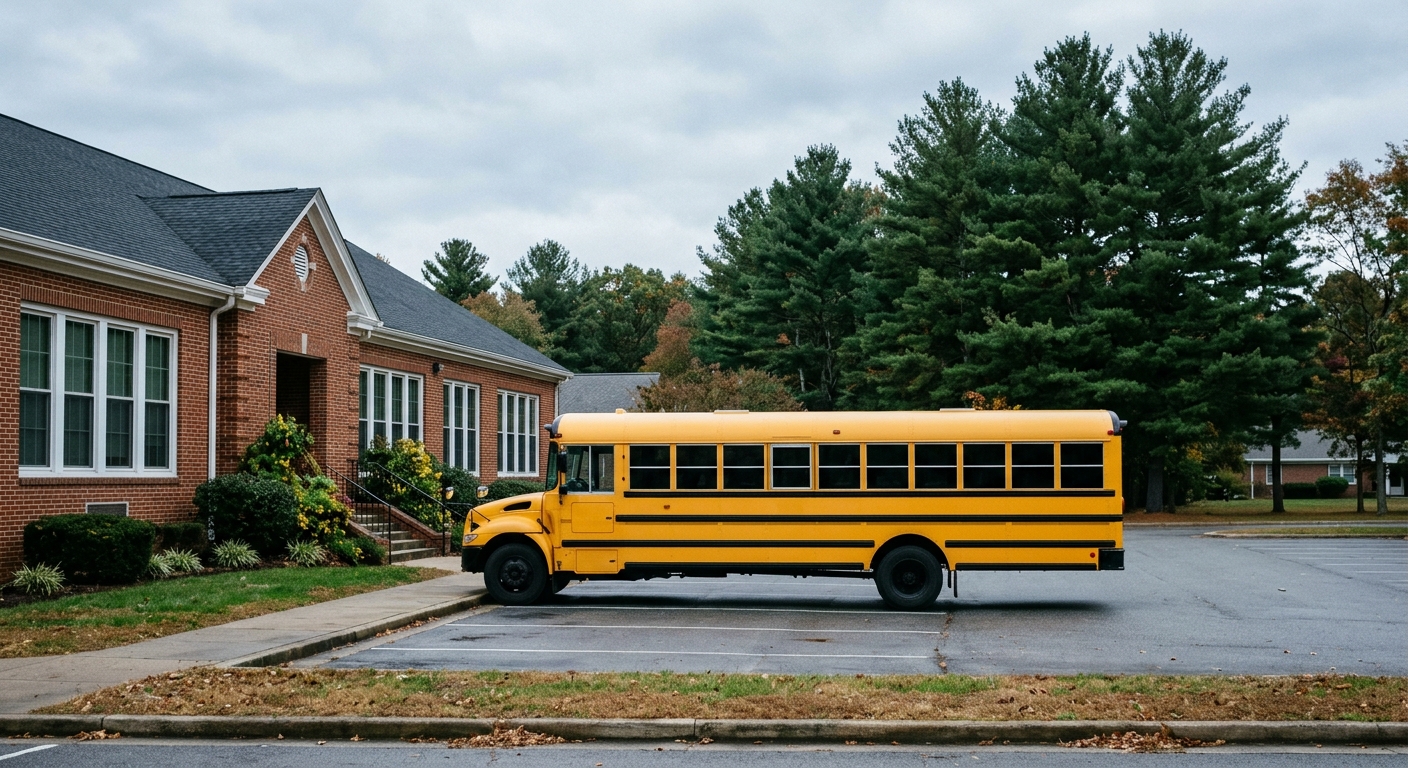
AI-generated illustration; not a photograph of the reported event.
- calendar_today November 7, 2026
Boise School District Proposes Changes to School Start Times
The Boise School District's School Start Time Committee is putting forward a proposal that could significantly alter the daily schedules of students across the district. The plan aims to give junior high and high school students a later start time while moving elementary students to an earlier schedule, with the intent of improving teen sleep and student wellbeing.
Impact on School Schedules and Academic Credits
Under the proposal, high school students would see the school day begin at 9 a.m. instead of 7:45 a.m., and end at 4:02 p.m. rather than 3:07 p.m. This shift would reduce the number of class periods from seven to six, lowering available credit-earning opportunities from 56 to 50 over the course of a high school career. Several parents and students have expressed concerns about the potential loss of academic credits and extracurricular opportunities.
Megan Boston, parent of a junior high school student, shared her worries: "I have concerns that the loss of academic credits would impact my child's mental health. She is one that is looking forward to art, to being able to do French. Losing those opportunities would decrease her motivation to want to be in school." Boise High seniors Rosemary Butler and Teddy Winkler also pointed to the benefits of a flexible, seven-period schedule for enjoying high school and preparing for college applications.
Community Voices: Balancing Sleep and Scheduling Challenges
While the committee's proposal is grounded in research linking more sleep with better student outcomes, reactions among students are mixed. Kaira Stambulis, a high school student, noted, "Sleep is just really important. I think all high schoolers will learn better. They will thrive better with more sleep." Yet not everyone supports later dismissal times; Zayden Gabby, another student, said, "Getting out later is gonna be a problem, my evenings are already so packed."
For elementary students, school would start at 8 a.m. (instead of 8:45 a.m.) and end at 2:30 p.m. (rather than 3:15 p.m.). This adjustment has prompted concerns from parents about after-school care and the need for more flexible work arrangements. "I would have to leave work early and have even more flexible work scheduling. I think that that will create challenges for many families," Boston said.
Transportation Costs and Logistics
Transportation has become an important factor in the committee's recommendation. According to district officials, only changing secondary start times would necessitate dozens of new bus routes, costing about $7 million annually. The proposed plan to flip start times between older and younger students is designed, in part, to reduce these additional expenses. However, the district warned that combining some elementary bus routes could mean rides as long as an hour and a half for some children, with some buses needing to begin routes as early as 6 a.m.
Boston voiced concern about these implications, stating, "Those bus routes would need to start around 6 a.m. or earlier. And that to me is just swapping one problem for another, and it's not creating a real solution."
Athletics and Extracurricular Implications
If the proposal is adopted, high school students participating in athletics may face additional scheduling challenges. The Boise School District noted that neighboring schools in its athletic conference are not expected to shift to the same schedule. As a result, some student-athletes in Boise could have to leave class early to attend games.
Community Input Process and Next Steps
The district is soliciting feedback from the community on the proposed changes. Families, students, and stakeholders can voice their opinions on the proposal until December 4 via an online form. The outcomes of this input period are expected to shape the district's final decision regarding school start times and related schedule adjustments.
Source: kivitv.com.