- calendar_today April 24, 2026
Idaho residents are witnessing an uptick in bee swarms earlier than usual this year, a trend attributed to a milder winter that has jump-started bee activity across the region. As spring swarms become more frequent, local beekeepers and experts are urging the public to approach these incidents with caution—and respect for the vital role bees play in sustaining Idaho’s agricultural landscape.
The Impact of Warm Winters on Bee Swarming
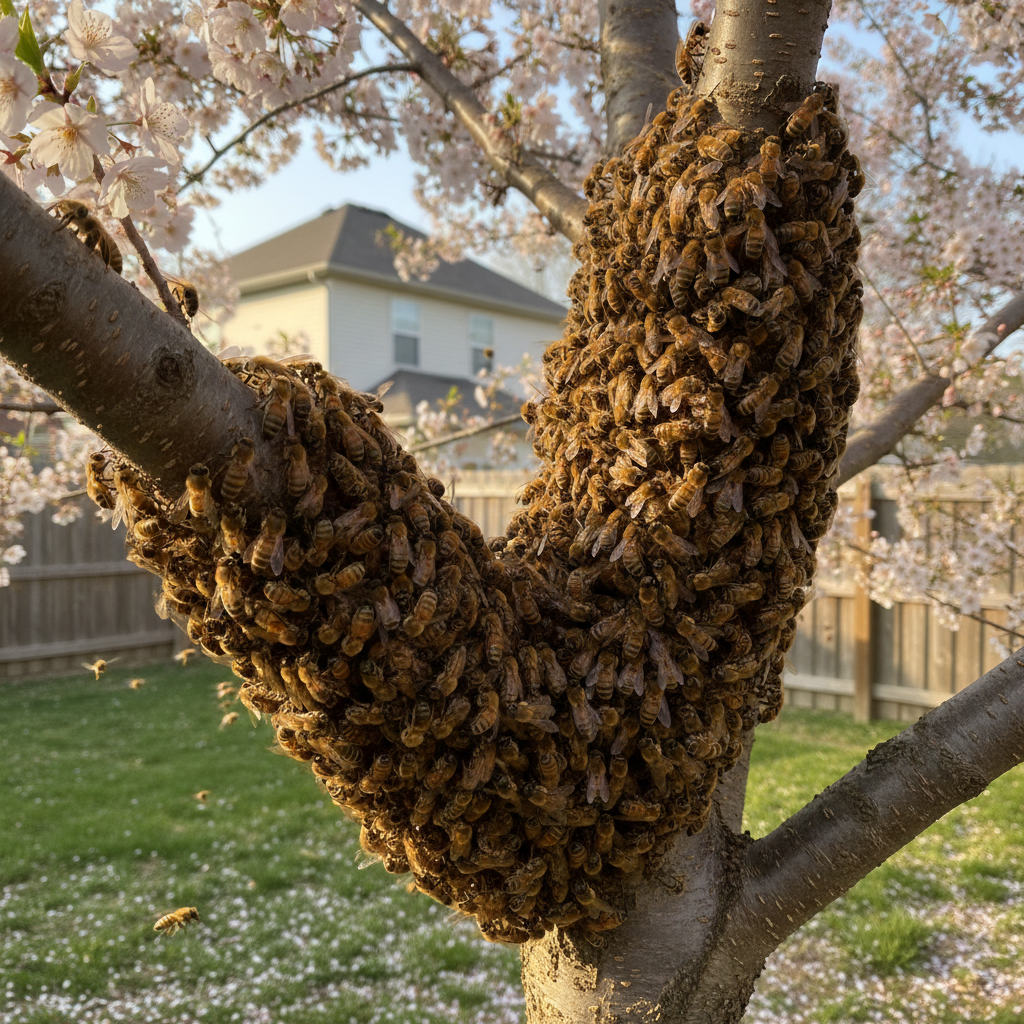
This season’s early onset of bee swarms follows an unusually warm winter, which accelerated the emergence of bee colonies from their hives. According to local beekeepers, most notably Michael Morrison, these swarms occur when a honey bee colony becomes too large, prompting a portion to break off with a queen in search of a new home. Swarms are generally harmless to people unless provoked, and represent a natural stage of bee colony expansion.
Understanding Bee Swarm Behavior
When in swarming mode, honey bees cluster together as they follow their queen, temporarily settling on a tree or building before dispersing once a suitable nesting site is found. While swarms can appear dramatic, Morrison emphasizes that bees are not likely to sting unless threatened, and those with serious allergies should be vigilant. “The key is to remain calm and keep a safe distance,” he notes, stressing the importance of bee safety for both humans and bees.
The Importance of Pollinators in Idaho
Bees are among nature’s most efficient pollinators, playing an essential role in the fertilization of crops and wildflowers throughout Idaho. Local farmers and gardeners rely on strong bee colonies to ensure bountiful harvests. The process of pollination directly influences the region’s food supply, making the protection of bee populations a critical concern for rural and urban communities alike.
Safe and Responsible Bee Removal Practices
For homeowners who discover a swarm or nesting bees in or near their property, experts like Morrison strongly discourage the use of poisons. Attempting to exterminate bees can result in honey seeping into walls or floors, potentially causing costly damage and attracting pests. Instead, specialists encourage contacting professionals skilled in bee removal and swarm management, who can safely relocate bees and recover honey when possible. This approach safeguards families and preserves valuable pollinators.
Community Resources for Swarm Management
Residents encountering bee swarms are advised to seek out local resources like the Treasure Valley Bee Club. The club, widely respected among area beekeepers, provides guidance on swarm management and connects residents with professionals who can assist in bee removal and relocation. These efforts not only protect homes and businesses, but also ensure that bee colonies remain productive contributors to Idaho’s ecosystem.
Promoting Coexistence and Bee Safety
By fostering understanding and responsible practices, communities across the region are learning to coexist with bees. Reports of early bee swarms this spring highlight the need for increased awareness of bee safety and the significance of healthy bee colonies. Experts agree that collaborative action and respect for pollinators ultimately benefit all residents by supporting agriculture, local gardens, and wild habitats.
Looking Ahead
As Idaho continues to experience shifts in seasonal weather patterns, early bee swarms may become more common. Local beekeepers, experts, and organizations remain committed to educating the public, managing bee colonies ethically, and reinforcing the crucial role bees play in the region’s natural and agricultural systems. For anyone encountering a swarm, the message is clear: prioritize safety, contact qualified professionals, and value the irreplaceable contributions bees make to Idaho’s communities.