- calendar_today April 27, 2026
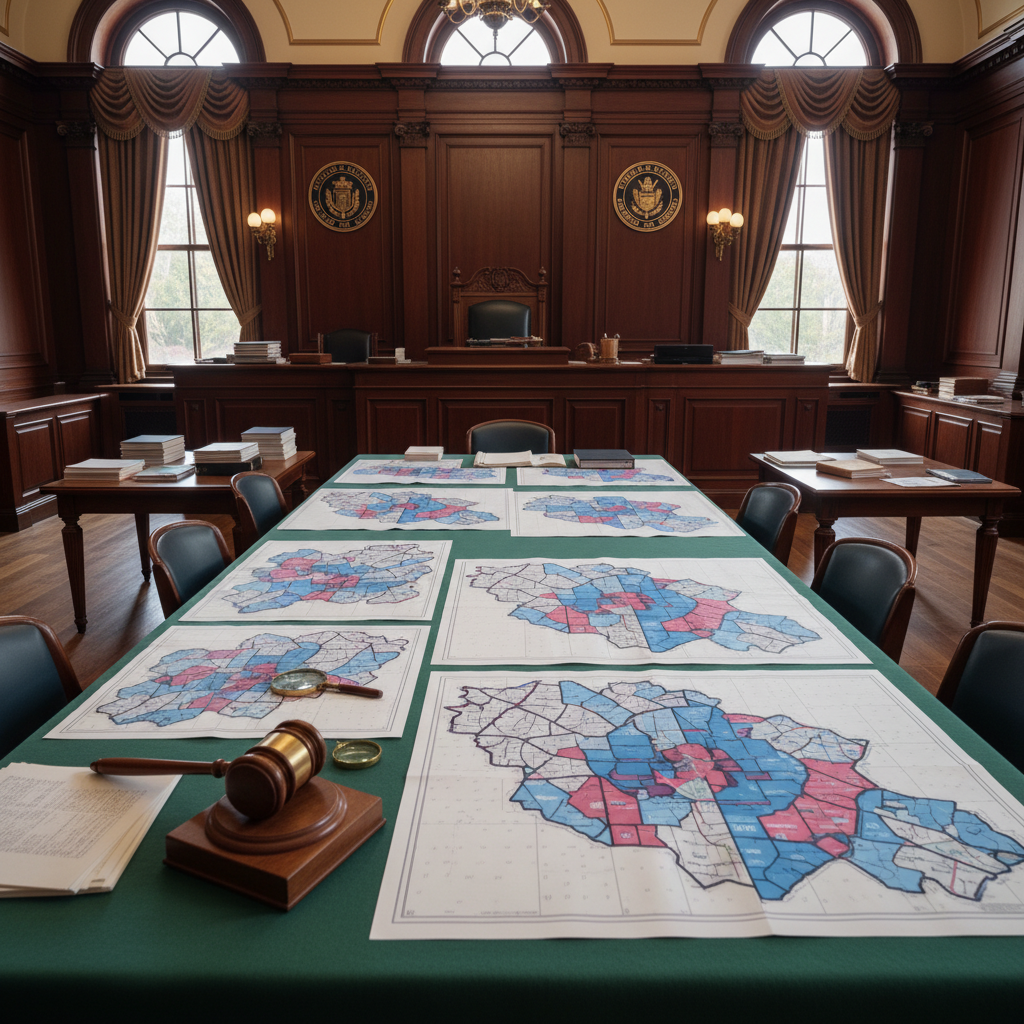
The ongoing national debate over electoral boundaries has reached a pivotal moment as the Virginia Supreme Court examines the contentious virginia redistricting plan recently passed by the Democratic-led legislature. The dispute, which has garnered attention from political observers as far as Idaho, may reshape the us house map and affect party control in Congress.
Supreme Court Assesses Legislative Procedures
At the heart of the legal case is whether Virginia’s democratic legislature followed constitutional protocols when forwarding a constitutional amendment onto the statewide ballot. The amendment, designed to revise the state’s congressional districts mid-decade, was narrowly approved by voters and could provide Democrats with up to four new seats in the U.S. House of Representatives.
Dispute Over Voting and Legislative Timing
Opponents of the plan, primarily Virginia Republicans, have filed a court challenge, asserting that the General Assembly failed to complete all necessary legislative steps before opening voting on the amendment. Central to the early voting dispute is a disagreement on the constitutional meaning of ‘election,’ and when legislative approval must be finalized relative to voter approval by the public.
Broader Redistricting Context
This case exemplifies the ongoing gerrymandering battle seen in several states during this mid decade redistricting cycle. Control of congressional districts is frequently contested nationwide, with both major parties seeking to leverage redistricting for potential electoral gains in the upcoming November midterm elections. The outcome of the Virginia proceedings may serve as a bellwether for similar legal debates elsewhere, including among communities and political circles in Idaho following national trends.
Lower Court Ruling and Temporary Allowance
The controversy intensified when a circuit court judge deemed the constitutional amendment process invalid, citing procedural missteps by the legislature. However, the virginia supreme court intervened, permitting the ballot measure to stand temporarily while the broader legal questions are addressed. This temporary measure has enabled the amendment’s voter approval, putting its future into closer judicial scrutiny.
Implications for Virginia and the National Political Landscape
The future configuration of Virginia’s U.S. House delegation could hinge on this decision. With six Democrats and five Republicans currently representing Virginia under court-imposed district lines, even minor changes to the us house map could shift the balance of power in Congress. For Idaho residents, the ruling is notable, signaling potential ripple effects in national legislative representation and spotlighting the evolving legal standards for redistricting elsewhere.
Continued Legal Challenges and National Trends
As the Supreme Court in Virginia deliberates, additional challenges to redistricting plans are unfolding in other states. The legal strategies, particularly regarding mid decade redistricting and the procedural steps required for constitutional changes, may influence how Idaho and other regions approach their own electoral maps. Political experts continue to watch the outcome, recognizing that decisions made in one state court could inform similar disputes nationwide.